We are continuing to study משלי פרק טז. We have been talking about life as a journey a long a path, and our job is to choose the right road.
To finish the moment, to find the journey’s end in every step of the road, to live the greatest number of good hours, is wisdom.
Shlomo talks about the מסילת ישרים and the false paths that present themselves.
יש דרך ישר לפני איש; ואחריתה דרכי מות׃
But we pointed out that every path in life ends in death.
World Death Rate Holding Steady At 100 Percent
The desired end of the road is a peaceful death after a fruitful life. ביז הונדערט און צוואַנציק, as my grandmother ע״ה would say.
I want to die peacefully in my sleep like my grandfather did.
Not screaming in terror like the passengers in his car.
So Shlomo makes that point:
עטרת תפארת שיבה; בדרך צדקה תמצא׃
We are supposed to respect the elderly, and it’s not just for their wisdom. The very fact of being old means one has experience and is worthy of honor.
מפני שיבה תקום והדרת פני זקן; ויראת מאלקיך אני ה׳׃
מפני שיבה תקום: יכול מפני זקן אשמאי, תלמוד לומר ”זקן“, אין זקן אלא שקנה חכמה, לשון רש״י…והוא השנוי בגמרא במסכת קדושין (לב,ב)…והנה לדברי שניהם אין המצוה אלא בחכם…ועם כל זה, העולה מן הגמרא לפי פסק ההלכה אינו כן, שהרי אמרו (קידושין לב,ב), איסי בן יהודה אומר כל שיבה במשמע, ואמר רבי יוחנן (קידושין לג,א) הלכה כאיסי בן יהודה. והנה יצוה בכל שיבה, אפלו על אשמאי שהוא הבור, ויחזר ויצוה על הזקן שהוא הקונה חכמה, ואפילו יניק וחכים. ויתכן שיהיה גם כן דעת אונקלוס…וגלי בשיבה שבכללה כל השיבות, בין שיבת התורה בין שיבת הימים.
‘You are old, father William,’ the young man said, 'And your hair has become very white; And yet you incessantly stand on your head - Do you think, at your age, it is right?'
‘In my youth,’ father William replied to his son, 'I feared it would injure the brain; But now that I’m perfectly sure I have none, Why, I do it again and again.'
עטרת תפארת שיבה: הנה השיבה היא עטרה של תפארת כי האנשים כלם יכבדו איש שיבה.
The question, then is how to get to old age. There are no shortcuts, though Mel Brooks offered some tips:
The 2,000-Year-Old Man’s Secrets of Longevity
- Don’t run for a bus—there’ll always be another.
- Never, ever touch fried food.
- Stay out of a Ferrari or any other small Italian car.
- Eat fruit—a nectarine—even a rotten plum is good.
Some commentators note that רשעים can live long lives as well, and argue that it is the תפארת שיבה, an honorable old age, that needs דרך צדקה.
העטרת הזה לא תמצא רק בדרך צדקה, שאז כל שהוסיף ימים הוסיף מצות ומע״ט, אבל הרשע הוסיף לעשות רע ולא ילבש עטרת הימים.
But the theodicy of ספר משלי is consistent: evil does not last. The only way to live a long life is be a good, ethical, person. So שיבה is found בדרך צדקה תמצא.
יב אדם בליעל איש און; הולך עקשות פה׃… טו על כן פתאם יבוא אידו; פתע ישבר ואין מרפא׃
בדרך צדקה תמצא: על ידי הצדקה מאריכין ימיהם.
השיבה הוא בא לאדם כאשר יזכהו הש״י להנהיג ישיבה של תורה בזקנותו ועטרת נאה היא מאוד והיא נמצאת במי שהלך בדרך צדקה.
עטרת תפארת שיבה: הנה השיבה היא עטרה של תפארת כי האנשים כלם יכבדו איש שיבה ויגיעו האנשים לזה בדרך צדק ויושר במדות או בדעות כי בזולת זה יתכן שימות האדם בלא עתו.
Again, it is the דרך צדקה, the path of choosing righteousness, that allows us to reach old age. Shlomo will say this later:
רדף צדקה וחסד ימצא חיים צדקה וכבוד׃
Again, it’s the רדף צדקה. It’s the journey that matters; we do not control the outcome. David says the same thing:
יג מי האיש החפץ חיים; אהב ימים לראות טוב׃… טו סור מרע ועשה טוב; בקש שלום ורדפהו׃
And so we have one the famous psukim in משלי (that I will connect to the next):
לב טוב ארך אפים מגבור; ומשל ברוחו מלכד עיר׃ לג בחיק יוטל את הגורל; ומה׳ כל משפטו׃
בן זומא אומר:…איזהו גבור? הכובש את יצרו, שנאמר טוֹב אֶרֶךְ אַפַּיִם מִגִּבּוֹר וּמשֵׁל בְּרוּחוֹ מִלֹּכֵד עִיר.
At a simple level, the משל is that it is harder, that it takes more strength, to control ones passions than it does to conquer others. That implies that those who do control themselves should be admired more than the strongman. The ארך אפים should be our role model, not the לכד עיר.
But we’ve talked about this metaphor of the מושל before, in Of Cabbages and Kings. The מושל or מלך represents our minds as a nation full of independent citizens, all clamoring for their own priorities. The goal is for the self, our sense of who we are, to keep all them in control.
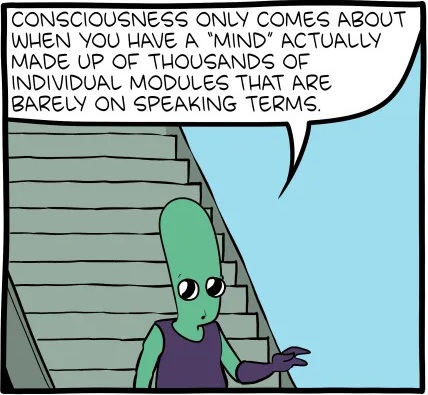
The Gra uses this metaphor to say that you want to be more like the לוכד עיר than the גבור.
טוב ארך אפים מגבור וגו׳: כי הרוצה להתגבר על חבירו הוא תלוי בכח והיינו שהוא יכול להפיל ולהרוג אה חבירו, אבל הרוצה ללכוד את העיר ולהשאירם בחיים כי אינו חפץ ללכוד עיר ושיהיה כולם מתים כי מה תועלת יהיה לו בהעיר?…
וכן הוא בהמדות כי כעס צריך לכבוש עד התכלית.
וכן הכעס מדה רעה היא עד למאד וראוי לאדם שיתרחק ממנה עד הקצה האחר. וילמד עצמו שלא יכעס ואפלו על דבר שראוי לכעס עליו. ואם רצה להטיל אימה על בניו ובני ביתו או על הצבור אם היה פרנס ורצה לכעס עליהן כדי שיחזרו למוטב יראה עצמו בפניהם שהוא כועס כדי ליסרם ותהיה דעתו מישבת בינו לבין עצמו כאדם שהוא מדמה כועס בשעת כעסו והוא אינו כועס.
אבל התאוה הן נצרכין לעבודת ה׳ ולקיום הגוף וצריך לשבור אותם וגס שישארו אצלו, לכן טוב הארך אפים מגבור סטם שאין צריך לזה גבורה; אך המושל ברוחו…טוב מלכד עיר ולכן הוא נקרא מושל ברוחו שמושל בם ונוטל להדברים הצרכים ושובר המותרות.
There are מידות that require us to be a גיבור, to suppress them by brute force. But we need other aspects of our selves, as we discussed in With All Your Hearts. The יצר הרע often isn’t to be destroyed, but directed. We need to be the לוכד עיר who rules over all the citizens without destroying them.
An important part of wisdom is realizing that we can’t control everything.
G-d, grant me the serenity to accept the things I cannot change, courage to change the things I can, and wisdom to know the difference.
And that is the message of the next pasuk. בחיק יוטל את הגורל. You may have the dice in your pocket; you think you can control how it falls. It’s the metaphor from Julius Caesar crossing the Rubicon.
Alea Iacta Est
I make the decisions; I’m the one rolling the dice. But that’s not true; , but מה׳ כל משפטו. We don’t control things, not in our environment and not in ourselves. We just have to make the best choices with what we have.
You can’t stop the waves, but you can learn to surf.
The next pasuk is the start of a new perek but there’s no paragraph break; it is part of the same sequence of thoughts.
טוב פת חרבה ושלוה בה מבית מלא זבחי ריב׃
This is similar to the idea from earlier in this paragraph:
טוב מעט בצדקה מרב תבואות בלא משפט׃
And it extends the thought in the pasuk we started with: עטרת תפארת שיבה; בדרך צדקה תמצא. It is צדק and שלום that make a peaceful old age possible.
רבי שמעון בן יהודה משום רבי שמעון בן יוחאי אומר: הנוי והכח והעשר והכבוד והחכמה והזקנה והשיבה והבנים, נאה לצדיקים ונאה לעולם; שנאמר: עֲטֶרֶת תִּפְאֶרֶת שֵׂיבָה בְּדֶרֶךְ צְדָקָה תִּמָּצֵא.
Shlomo goes back to the idea of מושל:
עבד משכיל ימשל בבן מביש; ובתוך אחים יחלק נחלה׃
Rabbeinu Yonah takes as advice, like (משלי א:ח) שמע בני מוסר אביך; ואל תטש תורת אמך. He takes it literally:
עבד משכיל ימשל בבן מביש וגו׳: בא לשבח מעלת השכל ולהזהיר האב להורות בנו דרך השכל ובלעדי זה אין יתרון במה שינחילנו, כי עבד משכיל ימשול…ויתכן שבא להזהיר את האב להורות את בנו בחייו להשכיל במלאכתו ולהיותו חרוץ ולא יאמר בו אחרי מותו כשתפול לפניו הנחלה ילמד שכל וחריצות כי קודם הגיעו להשכיל.
But I would read this as a metaphor like טוב ארך אפים מגבור. The advice is to us: train all aspects of your personality well, or one of the less desirable ones—the עבד—will come to dominate. It’s a lesson in מוסר, in character development.
And ה׳ helps with our character development.
ג מצרף לכסף וכור לזהב; ובחן לבות ה׳׃ ד מרע מקשיב על שפת און; שקר מזין על לשון הות׃
There’s a similar pasuk later on:
מצרף לכסף וכור לזהב; ואיש לפי מהללו׃
We looked at this in Animal Rights and Animal Wrongs.
That’s usually translated as “[the worth of] a person is measured by how others praise them”:
ומתחשב לפי מהללו ע״י שהבריות מהללות אותו במעשיו הטובים.
But Rabbeinu Yonah reads it as “by what they praise”:
ופסוק שלם יש לנו על זה ששלמה ע״ה אמרו ”מצרף לכסף וכור לזהב ואיש לפי מהללו“. כלומר לפי מה שהוא מהלל.
“A man can be judged according to his praise” doesn’t mean according to how he is praised but according to what he praises (“his praise”). What a person speaks highly about (and badly about) tells us a lot about his or her value system…Someone who is always seeing the bad in all things Jewish cannot be said to be honoring the Torah even if he is quite observant in his outward behavior. At a point, his criticisms tell us more about himself than about the person or institution he is maligning.
But the מצרף and the כור, the crucible and the furnace, are not tools for assessing purity, they are the means for creating purity. מהללו is the same; the things you praise determine who you really are. Your praise reinforces those aspects of your personality. You can choose what character traits you have, and those will be the things that others see.
Our pasuk is the flip side of that: בחן לבות ה׳. The crucible is formed by the situations in which we find ourselves and by the decisions we are forced to make.
We burn a hot fire here; it melts down all concealment.
The בחינה here isn’t so ה׳ knows what you really are; tests and difficult situations create who you really are.
We saw that in the incident of David and Bat-Sheva.
א לדוד; שפטני ה׳ כי אני בתמי הלכתי; ובה׳ בטחתי לא אמעד׃ ב בחנני ה׳ ונסני; צרפה כליותי ולבי׃
אמר רב יהודה אמר רב: לעולם אל יביא אדם עצמו לידי נסיון, שהרי דוד מלך ישראל הביא עצמו לידי נסיון ונכשל. אמר לפניו: רבש״ע מפני מה אומרים ”אלקי אברהם אלקי יצחק ואלקי יעקב“ ואין אומרים ”אלקי דוד“? אמר: אינהו מינסו לי ואת לא מינסית לי. אמר לפניו: רבש״ע בחנני ונסני! שנאמר (תהלים כו:ב) בְּחָנֵנִי ה׳ וְנַסֵּנִי וגו׳. אמר: מינסנא לך ועבידנא מילתא בהדך דלדידהו לא הודעתינהו; ואילו אנא קא מודענא לך דמנסינא לך בדבר ערוה. מיד (שמואל ב יא:ב) וַיְהִי לְעֵת הָעֶרֶב וַיָּקׇם דָּוִד מֵעַל מִשְׁכָּבוֹ וגו׳.
One of Liora’s teachers in seminary, Rabbi Immanuel Bernstein, wrote a book on Aggagah that addresses the idea of בחינה and ניסיון.
ה׳ צַדִּיק יִבְחָן; וְרָשָׁע וְאֹהֵב חָמָס שָׂנְאָה נַפְשׁוֹ׃
אָמַר רַבִּי יוֹנָתָן: הַפִּשְׁתָּנִי הַזֶּה, כְּשֶׁפִּשְׁתָּנוֹ לוֹקֶה אֵינוֹ מַקִּישׁ עָלָיו בְּיוֹתֵר מִפְּנֵי שֶׁהִיא פּוֹקַעַת, וּכְשֶׁפִּשְׁתָּנוֹ יָפֶה הוּא מַקִּישׁ עָלָיו בְּיוֹתֵר. לָמָּה? שֶׁהִיא מִשְׁתַּבַּחַת וְהוֹלֶכֶת. כָּךְ הַקָּדוֹשׁ בָּרוּךְ הוּא אֵינוֹ מְנַסֶּה אֶת הָרְשָׁעִים, לָמָּה שֶׁאֵין יְכוֹלִין לַעֲמֹד…וְאֶת מִי מְנַסֶּה? אֶת הַצַּדִּיקִים, שֶׁנֶּאֱמַר: ה׳ צַדִּיק יִבְחָן.
אָמַר רַבִּי יוֹנָתָן: הַיּוֹצֵר הַזֶּה כְּשֶׁהוּא בּוֹדֵק אֶת הַכִּבְשָׁן שֶׁלּוֹ אֵינוֹ בּוֹדֵק אֶת הַכֵּלִים הַמְרֹעָעִים. לָמָּה? שֶׁאֵינוֹ מַסְפִּיק לְהָקִישׁ עָלָיו אַחַת עַד שֶׁהוּא שׁוֹבְרוֹ. וּמַה הוּא בּוֹדֵק? בְּקַנְקַנִים בְּרוּרִים, שֶׁאֲפִלּוּ הוּא מַקִּישׁ עָלָיו כַּמָּה פְּעָמִים אֵינוֹ שׁוֹבְרוֹ. כָּךְ אֵין הַקָּדוֹשׁ בָּרוּךְ הוּא מְנַסֶּה אֶת הָרְשָׁעִים אֶלָּא אֶת הַצַּדִּיקִים, שֶׁנֶּאֱמַר: ה׳ צַדִּיק יִבְחָן.
אָמַר רַבִּי אֶלְעָזָר: לְבַעַל הַבַּיִת שֶׁהָיָה לוֹ שְׁתֵּי פָּרוֹת אַחַת כֹּחָהּ יָפֶה וְאַחַת כֹּחָהּ רָע, עַל מִי הוּא נוֹתֵן אֶת הָעֹל? לֹא עַל אוֹתָהּ שֶׁכֹּחָהּ יָפֶה?! כָּךְ אֵין הַקָּדוֹשׁ בָּרוּךְ הוּא מְנַסֶּה אֶלָּא הַצַּדִּיקִים, שֶׁנֶּאֱמַר: ה׳ צַדִּיק יִבְחָן.
There are a lot of meshalim here! What is each sage adding by providing a further example to illustrate the idea, when a single example alone would suffice?
He says that the midrash here is illustrating three approaches to נסיון, as does the Netziv:
וענין שלשה משלים. ללמדנו שנסיון בא בשלש בחינות. פעם בא כמשל קדירה שלא בא הנקישה על הקדירה הטובה כדי שיושבח בזה. אלא כדי לדעת כמה חוזק הקדירה.
ופעם בא כמשל הפשתן דלא בא הניקוש כדי לדעת אלא כדי להשביחו.
ופעם בא כמשל החמור שלא בא כדי לדעת או כדי להשביח אלא באשר יש לבעליו רוב משא ומנסה את חמורו אולי ישא יותר וטוב לו. וכל מה שמוסיף החמור לישא מוסיף בעליו אח״כ במזונו.
כך פעם בא נסיון לדעת כח צדקת האדם. וזה נקרא בחינה. פעם בא כדי שיוסיף להצטדק. דאע״ג שבכח האדם מונח זו הפעולה מ״מ כל עוד לא בא מעשה לידו ולא הוציא מכח אל הפועל לא נשרש זה הכח אצלו ע״כ מביאו הקב״ה לידי נסיון. והוא מתחזק ומוציא מכח אל הפועל ומשריש זה הכח בקרבו. ופעם בא הנסיון לעון הדור. ומטילים על הצדיק משא יסורים ואח״כ מקבל שכרו משלם.
ה׳ is not looking to make us suffer. ה׳ is looking for our response to that suffering. ה׳ is omniscient and knows what we are capable of. We don’t. A נסיון tells us and those around us what our potential is, and allows us to grow toward that potential.
זית רענן יפה פרי תאר קרא ה׳ שמך; לקול המולה גדלה הצית אש עליה ורעו דליותיו׃
אמר רבי יוחנן: למה נמשלו ישראל לזית? לומר לך, מה זית לא מוציא שמנו אלא על ידי כתיתה, אף ישראל אין חוזרין למוטב אלא ע״י יסורין.
And perhaps seeing יסורים—especially the minor annoyances of everyday life—in this light will help make us better people.
Contemplating these aggados, a clear message emerges. When we consider the idea of nisayon, we tend to think of epic do-or-die situations, and in doing so we overlook the many things which are tests specifically because they are everyday situations. Yet…it is actually those situations which may be the real test of our moral worth. With no “occasion” to speak of, there is just us and the right thing to do.
When we consider that it is our tests which bring out the best in us and allow for our spiritual and moral growth, it is all the more crucial to realize that we actually encounter them on an ongoing basis. In a way, every moral decision…is a test in our day-to-day lives. Often we forgo these opportunities for spiritual development while we are dreaming about how we would fare in a real “test”. This is the lesson to be learned…for it can hep us appreciate out everyday situations for what they really are—the building blocks of our spiritual growth.
And so Malbim understands the next pasuk: מרע מקשיב על שפת און; שקר מזין על לשון הות as exactly that kind of everyday test. When we hear שפת און or לשון הות, what do we do? Are we the מרע?
ומפרש שהמצרף לכסף, הוא מרע המקשיב על שפת און, ששומע לתאוותיו שהוא עץ הדעת טוב ורע, שענינו בשפה שהיא חיצונית נגד הלשון. כי ההבדל בין טוב ורע יודע ע״י החושים והדעת שהשפה רומזת על הדעת, ומי שמקשיב על שפת און שהיא התאוה בדברים המפורסמים ומחליף טוב לרע, הוא מרע, והכור לזהב הוא אל המאזין על לשון הוות, שהלשון הוא בבינה, ואם מקלקל בבינה מביא שבר וניגוד להויה ולישות, והוא שקר, כי מחליף האמת בשקר, וזה צריך כור לזהב להסיר סיגיו ותערובות המינות אשר בו.
לעג לרש חרף עשהו; שמח לאיד לא ינקה׃
This seems very similar to another pasuk later on:
בנפל אויבך אל תשמח; ובכשלו אל יגל לבך׃
That pasuk is about not rejoicing in the misfortunes of others; schadenfreude is fun but is not a positive מידה.
schadenfreude
Enjoyment obtained from seeing or hearing about the troubles of others
The mishna notes that one particular Tanna would quote that pasuk constantly:
שמואל הקטן אומר: בנפול אויבך אל תשמח ובכשלו אל יגל לבך…
And he was the one who wrote the ברכה of ולמלשינים:
אמר רבי לוי: ברכת המינים ביבנה תקנוה…
תנו רבנן: שמעון הפקולי הסדיר שמונה עשרה ברכות לפני רבן גמליאל על הסדר ביבנה. אמר להם רבן גמליאל לחכמים: כלום יש אדם שיודע לתקן ברכת המינים? עמד שמואל הקטן ותקנה.
כל הברכות של התפילה שהן מלאות חסד ואהבה, ראוי לתקנן כל חכם הראוי למעלה רוממה כזאת, לערוך תפילות קבועות לגוי קדוש ועם חכם ונבון. אבל ברכה זו של התפילה, שבתוכה אצורים דברים של שנאה ומשטמה, והאדם באשר הוא אדם אי אפשר כלל שלא תמצא בקרבו איזו שנאה טבעית לאויבי נפשו ורודפי עמו, צריכה היא לבוא דווקא ממי שכולו טהור וקדוש לה׳, שתכונת השנאה הטבעית אין בלבבו כלל…על כן עמד שמואל הקטן ותיקנה, ורק הוא באמת ראוי לה, כי הוא אשר דרש תמיד בִּנְפֹל אוֹיִבְךָ אַל תִּשְׂמָח וּבִכָּשְׁלוֹ אַל יָגֵל לִבֶּךָ. ורק כאשר הוא הסיר מלבבו כל רגש שנאה גם לשונאי נפשו, והוא כשיתעורר לתקן ברכה למינים, לא תמצא בה כי אם רגשת לב טהור לתכלית הטוב האמיתי הכללי.
But חז״ל take our pasuk, about לעג לרש, in a different way. It’s not about feeling smug and superior to our enemies but about feeling smug and superior to those less fortunate.
הלועג והמבזה לרש מראה בדבריו כי מחשבתו שהעני והרש יבא מחסרון דעת האדם וקוצר חריצותו וכי העושר ימצא לו בכחו ובעוצם ידו; על כן חרף עושהו.
Don’t think your success is because you are so wonderful; as we said before, ומה׳ כל משפטו. And חז״ל applied this to all areas of life, not just financial success.
והתניא: לא יהלך אדם בבית הקברות ותפילין בראשו וספר תורה בזרועו וקורא. ואם עושה כן, עובר משום לוֹעֵג לָרָשׁ חֵרֵף עוֹשֵׂהוּ.
Don’t belittle those who do not have your success if they have not had your opportunities.
Some people are born on third base and go through life thinking they hit a triple.
עטרת זקנים בני בנים; ותפארת בנים אבותם׃
We saw this before:
טוב ינחיל בני בנים; וצפון לצדיק חיל חוטא׃
We started this section with עטרת תפארת שיבה, that old age is a “crown of glory”, but it’s not getting old that is glorious. It is being able to be part of a chain that continues forward in time, and to be able to see that chain develop. The מסילת ישרים isn’t just the path of our lives as individuals; it is the path of all humanity through history. We never find out in this life how well we are doing, whether we’ve passed the tests that ה׳ has set before us. But we get a hint of it when we see how our children raise their children.
הננו לומדים מכאן שהאדם לא נברא לעצמו. כל אחד ואחד הוא חרוז בשלשלת הגדולה שנמתחה מאדה״ר עד המשיח. כאשר קרא הקב״ה ”שמם“ אדם, הוא קבע בזה כי ”האדם“ הוא יחידה של משפיע ומקבל, ומבין שניהם יוצא בנין עדי עד.
The reason why we provide ourselves with…children is, that when we get old and stumble, a younger generation may be at hand to set us on our legs again in our words and in our actions.
When our grandchildren follow the path, the מסילת ישרים, that we have set, they keep us going on that same road. And there is no greater reward than that.