The previous section dealt with the sweetness of Torah and how it brings life.
צוף דבש אמרי נעם; מתוק לנפש ומרפא לעצם׃
And we’ve spent a lot of time in the perek on the מסלת ישרים, the “path of the just”.
מסלת ישרים סור מרע; שמר נפשו נצר דרכו׃
The way it has been presented, it looks so easy: do the right thing and everything will be perfect. But it’s hard to know which path to take in life.
כה יש דרך ישר לפני איש; ואחריתה דרכי מות׃ כו נפש עמל עמלה לו; כי אכף עליו פיהו׃
There is a well-known metaphor in the gemara about the “longer shorter way”.
פעם אחת הייתי מהלך בדרך, וראיתי תינוק יושב על פרשת דרכים. ואמרתי לו: באיזה דרך נלך לעיר? אמר לי: זו קצרה וארוכה, וזו ארוכה וקצרה. והלכתי בקצרה וארוכה, כיון שהגעתי לעיר מצאתי שמקיפין אותה גנות ופרדיסין. חזרתי לאחורי. אמרתי לו: בני, הלא אמרת לי קצרה? אמר לי: ולא אמרתי לך ארוכה? נשקתיו על ראשו, ואמרתי לו: אשריכם ישראל שכולכם חכמים גדולים אתם, מגדולכם ועד קטנכם.
Life is all about making choices at every fork in the road without having a sense of where the path ends up, and even if we know our goal, we don’t know which road leads there.
Men at forty Learn to close softly The doors to rooms that they will not be Coming back to.
יש דרך וגו׳: אבל הסטרא אחרא גם היא נדמה לאיש שהיא ישרה…אבל ”אחריתה דרכי מות“…שיש לה הרבה דרכים וכולם למות.
The thing that drives us forward along the path of life is נפש עמל עמלה לו. We have needs that we strive to meet that are never fulfilled.
נפש עמל עמלה לו: לצורכו הוא עמל.
כי אדם לעמל יולד; ובני רשף יגביהו עוף׃
כל עמל האדם לפיהו; וגם הנפש לא תמלא׃
That’s what אכף עליו פיהו means: his metaphoric mouth forces him to continue striving.
אכף: מלשון כפיה ונגישה וכן (איוב לג:ז) וְאַכְפִּי עָלֶיךָ לֹא יִכְבָּד.
But this path of life is different from other tasks that we face. The point is not the destination, it’s the journey.
When we make a siyum, we say אנו עמלים והם עמלים, אנו עמלים ומקבלים שכר והם עמלים ואינם מקבלים שכר…The Chafetz Chaim asks: How can we say, “They toil and do not earn a reward”? A non-Jew certainly does get paid for his work. The answer is that he gets paid for results, not effort. Even someone who gets paid by the hour will only have a job if he produces favorable results. It’s not about the effort or difficulty. It’s all about the result.
The founder of Netflix famously published his vision of the corporate culture, where effort didn’t matter, results did.
Hard Work—Not Relevant
- We don’t measure people by how many hours they work or how much time they are in the office
- We do care about accomplishing great work
- Sustained B performance, despite “A for effort”, generates a generous severance package, with respect
- Sustained A performance, despite minimal effort, is rewarded with more responsibility and great pay
But in ethical matters, we don’t know how things will work out and we have no way of knowing what we have really accomplished. The only metric is the effort. That is the idea behind virtue ethics. Be a good person, do good things.
אנטיגנוס איש סוכו קבל משמעון הצדיק. הוא היה אומר: אל תהיו כעבדים המשמשין את הרב על מנת לקבל פרס, אלא הוו כעבדים המשמשין את הרב שלא על מנת לקבל פרס, ויהי מורא שמים עליכם.
And that includes spiritual rewards. Rav Wolbe had an essay on the dangers of frumkeit.
דווקא זו היא הגישה של פרומקייט, למשש תמיד בדופק הרוחני, אם הוא במצב של קרוב או ריחוק, ולדחוק את עצמו בכח לקירבה. על כגון זה הזהיר אדמו״ר תמיד: ”רק לא לטפס לשמים!“ על הקרקע צריך לעמוד, והחיות היא במעשים!
So Shlomo gives us three ways a person can go wrong, דרך ישר לפני איש; ואחריתה דרכי מות. They are the דרך קצרה וארוכה compared to the מסלת ישרים. It’s like the path to the dark side in Star Wars:
Fear is the path to the dark side. Fear leads to anger. Anger leads to hate. Hate leads to suffering.
כז איש בליעל כרה רעה; ועל שפתיו כאש צרבת׃ כח איש תהפכות ישלח מדון; ונרגן מפריד אלוף׃ כט איש חמס יפתה רעהו; והוליכו בדרך לא טוב׃ ל עצה עיניו לחשב תהפכות; קרץ שפתיו כלה רעה׃
All these seem unquestionably bad. How can they be related to דרך ישר לפני איש? Why would these be potentially good things? The Gra says that in fact that these are three ways a person can think of themselves as ethical but go badly wrong.
The איש בליעל is a term we’ve seen before, in פרק ו (we studied it in Man and Superman). There it referred to a kind of Nietzschean power-oriented ethics.
Athenians:
…you know as well as we do that right, as the world goes, is only in question between equals in power, while the strong do what they can and the weak suffer what they must.
But here, the Gra says that is called the איש חמס (we’ll see that later). בליעל refers to ethics that are unmoored (בלי עול) to יראת ה׳.
איש בליעל וגו׳: כלומר האיש הנעדר מיראת ה׳ והוא נקרא בליעל כלומר בלי עול הוא כורה רעה תמיד.
The בלי עול here is not that such a person has no sense of right and wrong, it’s that their sense is not anchored in יראת ה׳.
If there’s no G-d, all is permitted.
סוף דבר הכל נשמע; את האלקים ירא ואת מצותיו שמור כי זה כל האדם׃
and so על שפתיו כאש צרבת. The ethics of the philosophers sound good and you can’t point to a single place to say “that’s just wrong”, but inevitably lead to repugnant conclusions as we’ve said many times before. Ethics that is not grounded in some sense of the absolute is בליעל, because the human mind is too limited to figure everything out.
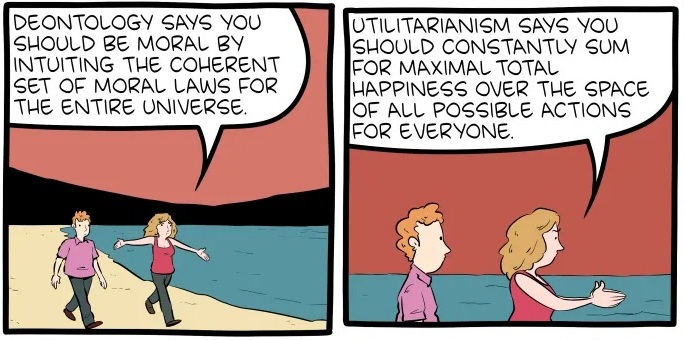
JPS translates איש תהפוכות as “A shifty man”, but the Gra says that his תהפוכות, constant changing, is not because he is trying to be sneaky but because he is trying to be good. He wants to make everyone happy.
מי ששמו ”איש תהפוכות“ כלומר שמהפך את עצמו לכל איש ואיש לעשות כרצונו הוא משלח מדון שאומר לזה על זה וכן לחביריהם עד שיתחילו להתקוטט ביניהם והכל בשליחותו ששלח המדון.
The איש תהפוכות is trying to avoid making choices, trying to go down both paths at the crossroads of life, but causes as much strife as the נרגן who argues for the sake of argument.
ונרגן: ענין תלונה כמו (דברים א:כז) וַתֵּרָגְנוּ בְאׇהֳלֵיכֶם.
Two neighbors were fighting over a financial dispute. They couldn’t reach an agreement, so they took their case to the local rabbi. The rabbi heard the first litigant’s case, nodded his head and said, “You’re right.”
The second litigant then stated his case. The rabbi heard him out, nodded again and said, “You’re also right.”
The rabbi’s attendant, who had been standing by this whole time, was justifiably confused. “But, rebbe,” he asked, “how can they both be right?”
The rav thought about this for a moment before responding, “You’re right, too!”
The איש חמס, as we mentioned above, is the Nietzschean Superman, convinced that everything he does is right because it is necessary. We have to do what has to be done, whatever the price that has to be paid by others.
איש חמס וגו׳: שרצונו לגזול ולחמוס ממון חבירו הוא מפתהו תחילה ואח״כ מוליכו בדרך לא טוב.
In the beginning (says Nietzsche), the word “good” was synonymous with “noble”—i.e. the virtues that made the nobility better than the serfs they ruled. This was way back in the Bronze Age, so your model for a noble should be Achilles, Agamemnon, etc.
The excellent noble delights in being strong, healthy, and virile. He lives in a beautiful palace and wears shining golden armor. He may be cultured, sophisticated, or even brilliant. He’s great at everything he does, and harbors ambitions to become even greater, maybe conquer a kingdom or two. He’s powerful, skillful, and awe-inspiring…
Slave morality says that the strong are tyrants, the rich are greedy, and the ambitious are puffed-up braggarts. The wisest man is he who admits he knows nothing; the strongest man is he who conquers his own desires; it is easier for a camel to pass through a needle and so on. God loves the humble, the salt of the earth. The worst thing you can do is try to pridefully rise above your fellows…the best thing you can do is to lessen yourself…
Nietzsche speculates that slave morality originated with the Jews (an especially downtrodden and persecuted race)…
Put in the right way, it can be very seductive. איש חמס יפתה רעהו.
I want to help other people in order to exalt and glorify civilization. I want to exalt and glorify civilization so it can make people happy. I want them to be happy so they can be strong. I want them to be strong so they can exalt and glorify civilization. I want to exalt and glorify civilization in order to help other people.
I want to create great art to make other people happy. I want them to be happy so they can be strong. I want them to be strong so they can exalt and glorify civilization. I want to exalt and glorify civilization so it can create more great art.
I want to have children so they can be happy. I want them to be happy so they can be strong. I want them to be strong so they can raise more children. I want them to raise more children so they can exalt and glorify civilization. I want to exalt and glorify civilization so it can help more people. I want to help people so they can have more children. I want them to have children so they can be happy.
But it is ethics as egoism, thinking of others as tools rather than of independent, infinite worth. It is a path that is הוליכו בדרך לא טוב. And so Shlomo concludes with עצה עיניו לחשב תהפכות: such a person (any of these three people) are thinking with their eyes closed. You need to see where you are going. We’ve previously looked at the pasuk:
כי נר מצוה ותורה אור; ודרך חיים תוכחות מוסר׃
The gemara expands the metaphor:
משל לאדם שהיה מהלך באישון לילה ואפילה, ומתיירא מן הקוצים ומן הפחתים ומן הברקנים, ומחיה רעה ומן הלסטין, ואינו יודע באיזה דרך מהלך. נזדמנה לו אבוקה של אור—ניצל מן הקוצים ומן הפחתים ומן הברקנים, ועדיין מתיירא מחיה רעה ומן הליסטין, ואינו יודע באיזה דרך מהלך. כיון שעלה עמוד השחר—ניצל מחיה רעה ומן הליסטין, ועדיין אינו יודע באיזה דרך מהלך. הגיע לפרשת דרכים—ניצל מכולם.
תוכחות מוסר is the signpost, the פרשת דרכים on the דרך חיים. And שמר נפשו נצר דרכו.