We are continuing in משלי פרק כ׳.
כד מה׳ מצעדי גבר; ואדם מה יבין דרכו׃ כה מוקש אדם ילע קדש; ואחר נדרים לבקר׃ כו מזרה רשעים מלך חכם; וישב עליהם אופן׃
מה׳ מצעדי גבר calls to mind the ברכה we say every morning:
ברוך אתה ה׳ אלקינו מלך העולם המכין מצעדי גבר.
We looked a similar pasuk in תהילים in Aequanimitas, thirteen and a half years ago:
מה׳ מצעדי גבר כוננו ודרכו יחפץ׃
There, we talked about what it meant that ה׳ determines the steps of all men. It meant that we didn’t need to stress; we could face the world with equanimity:
Thou must be like a promontory of the sea, against which, though the waves beat continually, yet it both itself stands, and about it are those swelling waves stilled and quieted.
And that is the theme of the entire perek in תהילים: don’t stress when things go bad.
א לדוד: אל תתחר במרעים; אל תקנא בעשי עולה׃… כג מה׳ מצעדי גבר כוננו; ודרכו יחפץ׃ כד כי יפל לא יוטל; כי ה׳ סומך ידו׃ כה נער הייתי גם זקנתי, ולא ראיתי צדיק נעזב; וזרעו מבקש לחם׃
And that last pasuk, לא ראיתי צדיק נעזב, is very hard to understand. We say in ברכת המזון, but it seems patently false. This is more than a statement that the צדיק will ultimately be rewarded; how can David claim that he has never seen a צדיק whose children were beggars? That is clearly not true in our own experience. Hirsch and the Etz Yosef (Enoch Zundel ben Yoseph, 19th century commentator on מדרש תנחומא, ויצא, ג) both translate וזרעו מבקש לחם as “[even] when his children are begging.” The צדיק does not feel himself abandoned when he has to depend on others; he is aware that ה׳ provides but does so in various ways.
And that is what מה׳ מצעדי גבר means: הכל בידי שמים. It is very comforting. It’s thanking ה׳ for not making us think about everything, for not giving us free will in everything. If we had to consciously walk, we’d never get anywhere.
- Heel strike: the heel makes initial contact with the ground and the body’s weight is accepted by the leg making contact with the ground.
- Foot flat: the foot rolls forward until the entire plantar surface is in contact with the ground.
- Midstance: the weight of the body is propelled forward, directly over the lower extremity, so that the greater trochanter of femur is directly above the middle of the foot. At this stage, our entire body weight is being balanced over one leg.
- Heel-off: the heel lifts off the ground and body weight is shifted onto the contralateral leg.
- Toe-off: the toes push into the ground while the ankle plantarflexes.
- Early swing: the ankle dorsiflexes and the knee flexes so that the foot and toes can be moved from the ground. The hip flexes to bring the leg forward, moving it directly under the body.
- Mid-swing: the non-weight-bearing leg passes directly beneath the body and past the weight-bearing leg. At the same time, the trunk is moved forward so that the weight of the body is directly over the weight-bearing leg.
- Late swing: the foot is moved to a position in front of the body, the knee extends and momentum decelerates. The lower limb is now ready for heel strike and prepares to accept the transfer of body weight, for the start of the next stance phase.
and then מוקש אדם ילע קדש.
Meaning of Heb. uncertain.
Most מפרשים translate ילע as “ruin”.
מוקש אדם ילע קדש: כשאדם נכשל ונוקש בעבירות, מקלקל את קדשתו; כמו (עובדיה א:טז) וְשָׁתוּ וְלָעוּ.
ילע: ענין השחתה ובלבול כמו (איוב ו:ג) עַל כֵּן דְּבָרַי לָעוּ.
מוקש אדם: when we metaphorically stumble, when we make a mistake, we mess up our inherent קדושה. That’s why we need מה׳ מצעדי גבר. If we are in charge, we trip and fall. Shlomo says that our natural response is אחר נדרים לבקר. We make vows that take away our free will.
How do we solve this problem? The answer is self-binding, that is, the use of commitment devices. The term commitment device is from game theory and applies to strategic situations. It refers to a way of changing one’s own incentives to make an otherwise empty threat or promise credible.
Many of us have little tricks we play on ourselves to make us do the things we ought to do or to keep us from the things we have foresworn. We place the alarm clock across the room so we cannot turn it off without getting out of bed. We put things out of sight or out of reach for the moment of temptation. We surrender authority to a trustworthy friend who will police our calories or our cigarettes. People who are chronically late set their watches ahead in hopes of fooling themselves…
But that isn’t the goal. We are supposed to exercise our free will and actively make decisions. מזרה רשעים מלך חכם is a phrase we’ve had before:
מלך יושב על כסא דין מזרה בעיניו כל רע׃
מלך: הנה המלך, והוא השכל, כשיושב על כסא דין לשפוט בדברים העיוניים לפי מה שראוי ויקח משאר הכחות השרות הראוי להגיעו אל האמת בדרושיו, הנה הוא מזרה ומפזר בעיונו כל רע במדות ובדעות, כי יזהר מהדברים המטעים ובהעבירו כחותיו יסיר התאוות הרעות והמגונות. והנה זה כלי ממה שיצטרך לאיש אמונים כשיהיה איש אמונים ע״ד האמת.
מזרה רשעים מלך חכם is the goal: we want our “מלך” to make good choices. But it’s hard.
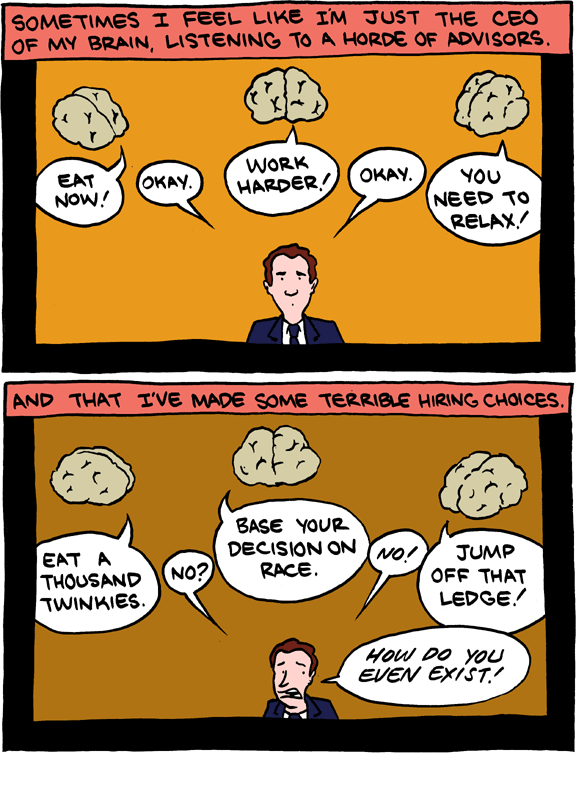
Life is much easier without free will, because it means life without moral responsibility.
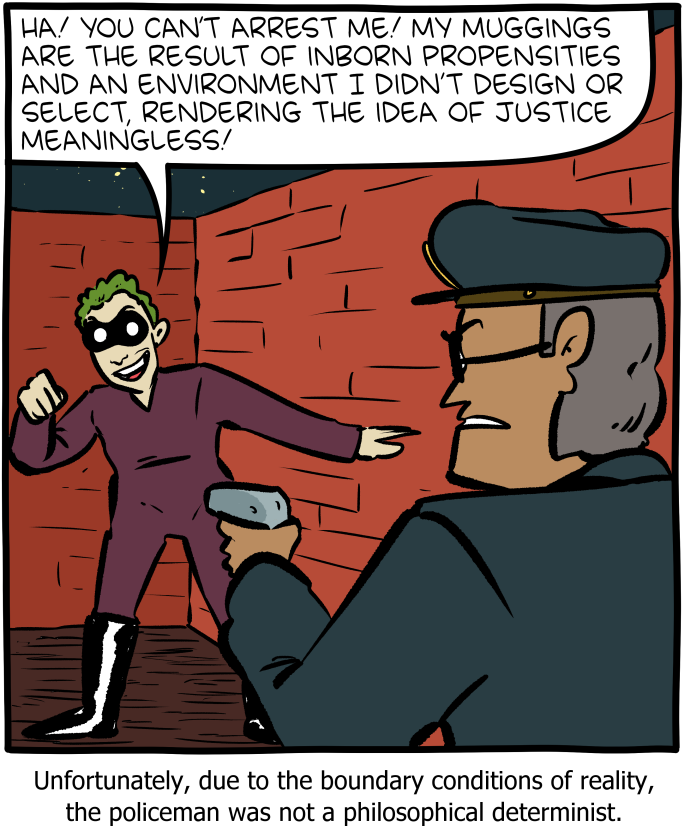
This is the problem of free will; not the philosophical problem of free will in the face of divine omniscience (משנה אבות ג:טו): הכל צפוי והרשות נתונה. This is the ethical problem: we’d like to abdicate our morality, and claim that since free will doesn’t exist, then we’re not responsible. But we can’t.
So what can we do?
נר ה׳ נשמת אדם; חפש כל חדרי בטן׃
This pasuk is the origin of the idea of the yahrzeit candle; we light the נר that represents נשמת אדם.
I want to add an idea about candles that isn’t really relevant but it’s about me. The genealogy of Shaul is mentioned twice in תנ״ך:
וקיש אבי שאול ונר אבי אבנר בן אביאל׃
ונר הוליד את קיש וקיש הוליד את שאול; ושאול הוליד את יהונתן ואת מלכישוע ואת אבינדב ואת אשבעל׃
In דברי הימים, Shaul’s grandfather is called נר, while in שמואל א he is named אביאל, while נר is Shaul’s uncle. The midrash says that נר was a cognomen.
דאמר רשב״ל: שאול לא זכה למלוכה אלא ע״י שהיה זקנו מדליק נרות לרבים. אמרו מבואות אפילות היו מביתו לבית המדרש והיה מדליק נרות בהם כדי להאיר בהם לרבים, כתוב אחד אומר וְנֵר הוֹלִיד אֶת קִישׁ וכתוב אחד אומר וְקִישׁ…בֶּן אֲבִיאֵל. הא כיצד? אביאל היה שמו אלא ע״י שהיה מדליק נרות לרבים זכה ונקרא שמו נר.
I can light a light for myself, or I can light lamps for everyone else. אֲבִיאֵל was called נֵר and his family took the name נֵר because he dedicated himself to lighting the way for others.
Wachsstock is the old German word for candle (literally, “wax stick”). I’d like to think that somewhere in my ancestry was a נֵר, one who lit the way for others.
Here, the נר illuminates our selves; ה׳ gives us the gift of self-awareness. נשמת אדם is a נר ה׳, allowing us to חפש כל חדרי בטן.
Now, many מפרשים understand this as a reference to ה׳ searching our inner selves; the subject of חפש כל חדרי בטן is הקב״ה:
נר ה׳: כמו שדרך האדם לחפש בחושך ע״י הנר, כן חופש ה׳ כל מחשבות חדרי בטן ע״י נשמת האדם כי היא יודעת הכל ומעידה עליו בדין.
But ה׳'s omniscience is not dependent on our נשמה. So I would interpret this with Ralbag:
נר ה׳: ולבאר מי הוא זה המלך, אמר כי נשמת האדם, והוא השכל, הוא נר ה׳. והוא חופש כל העמוקות אשר בנמצאות לעמוד על סודם לפי מה שאפשר בעזר הש״י במה שישפיע עליו מאורו וזיוו בו יעמוד על אמתת הדברים העיונים.
The subject of חפש כל חדרי בטן is ourselves, our נשמת אדם. We can understand ourselves well enough to warrant our free will. That is how we were created.
נעשה אדם בצלמנו: הצלם האלוקי הוא הבחירה, בלי טבע מכריח, רק מרצון ושכל חפשי…אנו יודעים שהבחירה החופשית הוא מצמצום האלוקות, שהשי״ת מניח מקום לברואיו לעשות כפי מה שיבחרו.
So ה׳ gives us the insight (literally!) to make ethical decisions. He also gives us the tools to make good choices.
כח חסד ואמת יצרו מלך; וסעד בחסד כסאו׃ כט תפארת בחורים כחם; והדר זקנים שיבה׃ ל חברות פצע תמרוק ברע; ומכות חדרי בטן׃
תמרוק, from the root מרק, is a rare word in תנ״ך. In modern Hebrew it means “soup”, and in מגילת אסתר it means “cosmetics”:
ג ויפקד המלך פקידים בכל מדינות מלכותו ויקבצו את כל נערה בתולה טובת מראה אל שושן הבירה אל בית הנשים אל יד הגא סריס המלך שמר הנשים; ונתון תמרקיהן׃…
יב ובהגיע תר נערה ונערה לבוא אל המלך אחשורוש מקץ היות לה כדת הנשים שנים עשר חדש כי כן ימלאו ימי מרוקיהן; ששה חדשים בשמן המר וששה חדשים בבשמים ובתמרוקי הנשים׃
But elsewhere it seems to mean “clean” or “purge”:
וכלי חרש אשר תבשל בו ישבר; ואם בכלי נחשת בשלה ומרק ושטף במים׃
אסרו הסוסים ועלו הפרשים והתיצבו בכובעים; מרקו הרמחים לבשו הסרינת׃
So presumably in אסתר it more likely means “cleansers” than “cosmetics”.
[וששה חדשים בבשמים ובתמרוקי הנשים:] בימי הקיץ מרגילות בבשמים מריחים המסירות העפושים המצוים בעתים הללו.
The idea of these psukim is that ה׳ has given us the tools to exercise our free will: do חסד. Everyone has their strengths, whether young or old, and the troubles we face are תמרוק ברע, cleansing our מידות רעות away.
תפארת בחורים כחם והדר זקנים שיבה: את הכל עשה ה׳ יפה בעתו, כי תפארת בחורים להראות בהם הכח…הדר הזקנה בלובן השערות אף על פי שהוא מורה על יובש הליחות והתשת הכח. ועיקר כוונת המקרא הזה לענין הבא אחריו כי הוא כהקדמה אליו.
חבורת פצע תמרוק ברע ומכות חדרי בטן: הנה הכח נאה לבחורים והשיבה לזקנים, וכן נאה ויפה היסורין והחבורות לאדם רע. על כן אין לנוד לו ולהצטער על יסורין הבאין עליו, כי חבורות פצע תקון וקישוט באדם רע כמו מיני הקשוט שנאים לאשה; תמרוק מלשון וְנָתוֹן תַּמְרֻקֵיהֶן.
ויש לפרש ”תמרוק ברע“, כי הם ממרקין ומכפרים העון.
נשמת אדם can חפש כל חדרי בטן and then apply the appropriate discipline, מכות חדרי בטן.
Then Shlomo turns to politics:
א פלגי מים לב מלך ביד ה׳; על כל אשר יחפץ יטנו׃ ב כל דרך איש ישר בעיניו; ותכן לבות ה׳׃ ג עשה צדקה ומשפט נבחר לה׳ מזבח׃
Literally, פלגי מים לב מלך ביד ה׳ is a statement that kings don’t have free will:
הגם שלב האדם הפרטי נתון ברשותו והבחירה בידו, לא כן לב המלך, אחר שבבחירותו תלוי אושר הכלל, ואם יבחר בדרך רע ישחית רבים ועצומים, לכן ליבו זה הכללי הוא ביד ה׳, והוא בענייני הכלל משולל הבחירה. ומדמהו לפלגי מים, שהמים, ברדתם מהררי עד…ישתדלו האנשים לחפור להם תעלה ולהטותם אל מקומות הצריכים, וליישרם ולהסב אותם מן מקומות הבלתי צריך…כן לב מלך… ביד ה׳ ויטה אותם כפי רצונו, בהנהגת הכלל…
And רבינו יונה says the mussar message is to not worry about politics so much; care about what הקב״ה thinks.
פלגי מים לב מלך ביד ה׳: מפני שהרבים תלוין במלך, ונתן לו השם כח להמית ולהחיות, להרע ולהיטיב, שומר השם את לבו שלא יטה רע, לעשות גזרת השם ית׳. על כן ראוי שתהיה מגמת פני הלבנות ליראה את ה׳ ולא ליראת חמת המלך, ומהשם יבקש רחמים ואליו יצפה וישא עיניו, כי הוא המטה לב המלך לכל אשר יחפוץ כאשר יטה אדם פלגי מים לכל מקום שיצטרך להטותם.
But in the metaphor of the מלך that we have been using, it is another statement about free will. We don’t have it, not really. Our “מלך” is ביד ה׳.
Rav Dessler famously talks about the נקודת הבחירה:
כל אדם יש לו בחירה, היינו בנקודת פגישת האמת שלו עם האמת המדומה, תולדת השקר. אבל רוב מעשיו הם במקום שאין האמת והשקר נפגשים שם כלל. כי יש הרבה מן האמת שהאדם מחונך לעשותו, ולא יעלה על דעתו כלל לעשות ההיפך, וכן הרבה אשר יעשה מן הרע והשקר, שלא יבחין כלל שאין ראוי לעשותו. אין הבחירה שייכת אלא בנקודה שבין צבאו של היצה״ט לצבאו של היצה״ר.
…אמנם נקודה זו של הבחירה אינה עומדת תמיד על מצב אחד, כי בבחירות הטובות האדם עולה למעלה, היינו שהמקומות שהיו מערכת המלחמה מקודם, נכנסים לרשות היצה״ט, ואז המעשים הטובים שיוסיף לעשות בהם יהיה בלי שום מלחמה ובחירה כלל, וזהו ”מצוה גוררת מצוה“; וכן להיפך, הבחירות הרעות מגרשות היצה״ט ממקומו, וכשיוסיף לעשות מן הרע ההוא יעשנו בלי בחירה, כי אין עוד אחיזה ליצה״ט במקום ההוא. וזהו אז״ל ”עבירה גוררת עבירה“.
…היוצא מדברינו, שאין בחירה אלא בנקודת הבחירה…
Rav Dessler lived in England and so missed on the appropriate metaphor for the נקודת הבחירה: it’s the line of scrimmage in football. Moral decisions on your team’s side of the line are trivial; I wouldn’t even think about walking up to a stranger and hitting them. Moral decisions on the other team’s side of the line are inconceivable. I’m not going stop taking vacations to be able to give more to the poor, even if I acknowledge that it would be a morally good thing to do.
But along that moral line of scrimmage, I have to make choices. I can’t say פלגי מים לב מלך ביד ה׳. Our only real free will is in making moral decisions: עשה צדקה ומשפט.