We are continuing to learn משלי פרק כא.
ד רום עינים ורחב לב נִר רשעים חטאת׃ ה מחשבות חרוץ אך למותר; וכל אץ אך למחסור׃ ו פעל אצרות בלשון שקר הבל נדף מבקשי מות׃ ז שד רשעים יגורם; כי מאנו לעשות משפט׃ ח הפכפך דרך איש וזר; וזך ישר פעלו׃
נִר is a plowed field.
ניר: ענין חריש, כמו (ירמיהו ד:ג) נִירוּ לָכֶם נִיר [וְאַל תִּזְרְעוּ אֶל קֹצִים], והוא מושאל על המחשבה, כמו שהושאל לה לשון חרישה כמו שכתוב (משלי ג:כט) אַל תַּחֲרֹשׁ עַל רֵעֲךָ רָעָה.
It’s an agricultural metaphor. The רשע's mind and personality is prepared (“plowed”) to sin (חטאת) by their רום עינים ורחב לב. But it’s also a pun based on an earlier pasuk:
נֵר ה׳ נשמת אדם; חפש כל חדרי בטן׃
The נשמה is a נֵר, illuminating our inner selves, and also a נִר, preparing our inner selves to sin. The Targum uses that translation:
רָמוּת עַיְנֵי וּבְעֵי לִבָּא וּשְׁרָגָא דְרַשִׁיעֵי לְחֶטְאָה׃
נר רשעים חטאת: תרגומו ”ושרגא דרשיעי לחטאה“, דומה שהיה קורא נֵר בציר״י, כמו שנמצא במקצת ספרים. אבל במדוייקים הוא בחירק, וכן משמע מדברי הראב״ע שכתב נר חסר יו״ד…וגם רד״ק הביא ובשרש ניר עם אותם שהם בחירק.
וי״ל דשניהם אחת, כי הרהורי עבירה קשה מגוף עבירה, כי ההרהורים פוגמים הנשמה והעבירה עצמה את הגוף. ואם כן נִר רשעים, מה שהם חורשים במחשבותם יפגמו נֵרם, שהוא הנשמה וחוטאים בנפשותם.
Being a רשע is not just about actions; it’s about bad מידות, internal states. That’s what leads to sin.
And what are those bad מידות? They are רום עינים ורחב לב which are usually understood as arrogance; Malbim says that arrogance is like plowing a field, removing obstacles to sin.
”רום עינים“ הוא מה שיתגאה בשכל העיוני שנדמה לו שמשיג הכל ומחליט משפטו בדברים שלמעלה משכל האדם ובמה שאחר הטבע, ובזה יצא לאפיקורסות וכפירה בא־להות, ”ורחב לבב“ הוא שלבו מתאוה בלי גבול ואין קץ לתאוותיו. שני אלה הם ניר רשעים חטאת, הניר הוא מה שחורשים השדה לעקר הקוצים ולהסיר כל המעכב אל יציאת הזרע, והנה הרשעים זורעים החטאת על תלמי לבבם, אבל יוכל להיות שלא תגדל הזרע, אם ע״י השכל העיוני או ע״י השכל המעשי, אבל רום עינים הוא הניר בל יעכב השכל העיוני ע״י שיירא את ה׳ וישכיל באמתתו, ורחב לבב הוא הניר בל יעכב השכל המעשי כי תאות הלב תניעהו אל החטאת.
But I prefer Alschich’s reading: רום עינים ורחב לב refer to curiosity and open mindedness. They’re not inherently bad things.
כי יש טבעו להיות לו רום עינים ויקשה ממנו להעביר מראות ברע ומה גם אם רחב לבו להרהר ולחמוד והן הנה סרסורי דעבירה.
והיה לכם לציצת וראיתם אתו וזכרתם את כל מצות ה׳ ועשיתם אתם; ולא תתורו אחרי לבבכם ואחרי עיניכם אשר אתם זנים אחריהם׃
הלב והעינים הם מרגלים לגוף, מסרסרים לו את העברות; העין רואה והלב חומד והגוף עושה את העברה.
ותהיינה הכנה אל האברים לעשות הרע כניר להצמיח האדמה ולתת פריה. דע לך כי רום עינים ורחב לב אינם ניר רשעים באמת להחטיאם…ואולי עיניו ישוטטו על ספר ה׳ ורחב לבו יהרהר בתורה. אך אשר יהיה באמת ניר רשעים בעצם הוא החטאת אשר החל לחטוא שתכינהו ליזרע ולהצמיח בו כמה עבירות כניר אל השדה ולא יהיה הניר רום עינים ורחב לב וזהו ניר רשעים חטאת.
Having a mind open to learning and growing should be a good thing. But we need to be careful. We have insight, נֵר ה׳ נשמת אדם; חפש כל חדרי בטן. And we’re supposed to always learning and thinking (משנה אבות ד:א); איזהו חכם? הלומד מכל אדם. But it can go in the wrong direction. Being רום עינים ורחב לב allows us to learn, metaphorically prepares the field. But what grows depends on what seeds are planted. If you start with being a רשע, then what grows is חטאת.
So Shlomo contrasts מחשבות חרוץ with אץ.
אץ: ענין מהירות כמו (יהושע י:יג) [וַיַּעֲמֹד הַשֶּׁמֶשׁ בַּחֲצִי הַשָּׁמַיִם] וְלֹא אָץ לָבוֹא.
מחשבות חרוץ אך למותר: אין המהירות מדין החריצות והזריזות, אבל מחשבות החרוץ, שיקדים המחשבה והמתון למעשה, הוא מעיקר הזריזות. ואף על פי שבטל מקצת שעותיו לחשוב מחשבות, לעולם ימצא מותר במדה הזאת.
וכל אץ אך למחסור: כי ישיגיהו המקרה במעשה וכענין שאמרו מחברי המוסר ”כי פרי כל המהירות חרטה“.
There’s a principle in computer engineering:
Premature optimization is the root of all evil.
And the other computer principle is:
Garbage In, Garbage Out.
Which is what פעל אצרות בלשון שקר הבל נדף means. If your אצרות are שקר, then your wealth is הבל. And that is the metaphor of this section. Be very careful of your conclusions in moral matters; you aren’t as smart as you think you are and can too easily prematurely optimize to garbage.
And so שד רשעים יגורם. יגור means to be afraid.
לא תכירו פנים במשפט כקטן כגדל תשמעון לא תגורו מפני איש כי המשפט לאלקים הוא; והדבר אשר יקשה מכם תקרבון אלי ושמעתיו׃
The destruction that results from the decisions of רשעים is terrifying. Saying “this isn’t what I meant” doesn’t help. The problem is that you can’t predict the future.
שוד רשעים יגורם: כבר אמר (משלי י:כד) מְגוֹרַת רָשָׁע הִיא תְבוֹאֶנּוּ, שהרשע מפחד תמיד. באר פה כי השוד והשבר שמוכן לבא עליהם הוא יפחיד אותם, שלבם מנבא להם העתיד לבא עליהם, על שמאנו לעשות משפט רק שוד ורצח. ויש לפרש שמוסב למה שאמר ש־פֹּעַל אֹצָרוֹת בִּלְשׁוֹן שָׁקֶר הֶבֶל נִדָּף מְבַקְשֵׁי מָוֶת, שעל ידי כך יגורם השוד, ויכשלו בו.
That fear is called “concience”. If your concience tells you that what you are doing will end up badly, listen to it.

ההוא תלמידא דהוה קא אזיל בתריה דרבי ישמעאל ברבי יוסי בשוקא דציון. חזייה דקא מפחיד. אמר ליה: חטאה את, דכתיב (ישעיהו לג:יד): פָּחֲדוּ בְצִיּוֹן חֲטָאִים.
Frédéric Bastiat was a 19th century economist who made a point about unintended consequences:
[A]n act, a habit, an institution, a law, gives birth not only to an effect, but to a series of effects. Of these effects, the first only is immediate; it manifests itself simultaneously with its cause—it is seen. The others unfold in succession—they are not seen…Now this difference is enormous, for it almost always happens that when the immediate consequence is favourable, the ultimate consequences are fatal, and the converse. Hence it follows that the bad economist pursues a small present good, which will be followed by a great evil to come, while the true economist pursues a great good to come, at the risk of a small present evil.
In fact, it is the same in the science of health, arts, and in that of morals. It often happens, that the sweeter the first fruit of a habit is, the more bitter are the consequences. Take, for example, debauchery, idleness, prodigality. When, therefore, a man absorbed in the effect which is seen has not yet learned to discern those which are not seen, he gives way to fatal habits, not only by inclination, but by calculation.
This explains the fatally grievous condition of mankind. Ignorance surrounds its cradle: then its actions are determined by their first consequences, the only ones which, in its first stage, it can see. It is only in the long run that it learns to take account of the others. It has to learn this lesson from two very different masters—experience and foresight. Experience teaches effectually, but brutally. It makes us acquainted with all the effects of an action, by causing us to feel them; and we cannot fail to finish by knowing that fire burns, if we have burned ourselves. For this rough teacher, I should like, if possible, to substitute a more gentle one. I mean Foresight.
פראקטיק שולע איז די בעסטע שולע אבער די פרייז איז זייער טייער.
Bastiat argues that we should have more foresight to anticipate the long term consequences of our actions. But our primitive monkey brains don’t have enough foresight. Even a Bastiat is guilty of רום עינים ורחב לב; from the perspective of the future, every decision is אץ, not מחשבות חרוץ. So what do we do? ה׳ has given us the power of conscience. It’s one of those voices in your head that your consciousness has to pay attention to.
Human beings possess a native moral spirit, even without religious foundations. Conscience is etched into the heart: a sensitivity to suffering, an urge to relieve it, a basic instinct for fairness. These impulses stir within us even without the cadence of halacha; Hashem Himself engraved them into the human soul.
And so we end this section with הפכפך דרך איש וזר. The phrase איש וזר is usually interpreted without the ו: the איש זר has a דרך הפכפך, as opposed to the זך who is ישר. but I would take הפכפך דרך איש as a statement about all people; we make things more complicated than they need to be.
לבד ראה זה מצאתי אשר עשה האלקים את האדם ישר; והמה בקשו חשבנות רבים׃
The way of people is to be confused and strange.
One has to belong to the intelligentsia to believe things like that: no ordinary man could be such a fool.
הפכפך דרך איש וזר; וזך ישר פעלו: ענין ”דרך איש“, מדות האדם וטבעו, כאשר הקדמנו בכמה מקומות כי לשון ”דרך“ יבא על המדות. ובאור הענין, טבע האדם ומדותיו הפכפך ונכרי, כי אף על פי שהמדות הרעות נמצאות בו, הלא נכריות נחשבו לו כי יראם בזולתו, ויגעל אותם ויקוץ בם, כי הנפש החכמה אינה מקרבת המדות הרעות…
וזך ישר פעלו: זך הדרך והמדות ישר פעלו. והכוונה בזה, כי יש על האדם להשתדל ולשום לבו בתקון מדותיו וזכות לבו, כי אז ישיג לכל התועלות כי יגיע למעלת המדות ומעלת הפעולות כי אחרי היות המדות מנהיגות הפעולות.
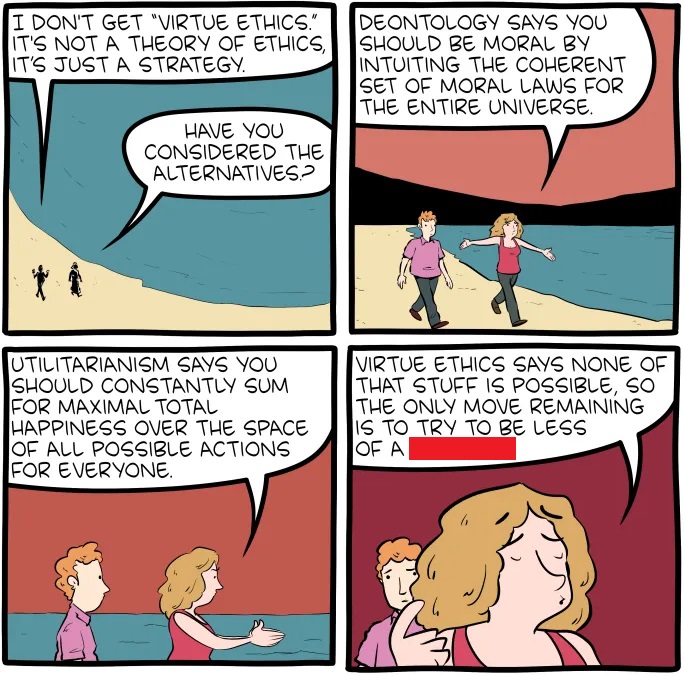
The goal of the ethics of ספר משלי is זך ישר פעלו. Be זך, pure, with good מידות, and your actions will be ישר. While that does take thought, planning and foresight, it does not involve reasoning out ethics from first principles. That is impossible. ספר משלי espouses virtue ethics.
Mussar (also spelled Musar), a Jewish spiritual practice that gives concrete instructions on how to live a meaningful and ethical life…is virtue-based ethics—based on the idea that by cultivating inner virtues, we improve ourselves…
In the medieval period, Mussar became a branch of study focused on virtue ethics (as opposed to rules-based ethics), the practice of working to refine one’s character to become a better person and closer to G-d.
This principle is the flip side of the well-known statement of the Chinuch:
דע, כי האדם נפעל כפי פעלותיו, ולבו וכל מחשבתיו תמיד אחר מעשיו שהוא עוסק בהם אם טוב ואם רע, ואפילו רשע גמור בלבבו וכל יצר מחשבות לבו רק רע כל היום, אם יערה רוחו וישים השתדלותו ועסקו בהתמדה בתתורה ובמצות, ואפילו שלא לשם שמים, מיד ינטה אל הטוב, ומתוך שלא לשמה בא לשמה, ובכח מעשיו ימית היצר הרע, כי אחרי הפעלות נמשכים הלבבות.
There exist hard ethical problems. There also exist easy problems. Practicing doing the right thing when the right thing is clear makes you a better person, and as a better person you can rely on your moral intuition to do the right thing when the right thing is not clear at all.
The Chinuch adds that one aspect of doing מצוות is to establish good habits that make us better people.
ועל כן אמרו חכמים ז״ל (משנה מכות ג:טז) רצה הקב״ה לזכות את ישראל לפיכך הרבה להם תורה ומצות [,שנאמר (ישעיה מב:כא) ה׳ חָפֵץ לְמַעַן צִדְקוֹ, יַגְדִּיל תּוֹרָה וְיַאְדִּיר], כדי להתפיס בהן כל מחשבותינו ולהיות בהן כל עסקינו להטיב לנו באחריתנו. כי מתוך הפעלות הטובות אנחנו נפעלים להיות טובים וזוכים לחיי עד.
The more I think about this, the more I realize that ”rationalist ethics“ is an oxymoron. הפכפך דרך איש וזר; וזך ישר פעלו.
Rav Nahum Rabinovitch, the “rebbe” of Rabbi Sacks, notes that the context of ה׳ חָפֵץ לְמַעַן צִדְקוֹ refers to our ethical blindness:
יט מי עור כי אם עבדי וחרש כמלאכי אשלח; מי עור כמשלם ועור כעבד ה׳׃ כ ראית ראות רבות ולא תשמר; פקוח אזנים ולא ישמע׃ כא ה׳ חפץ למען צדקו; יגדיל תורה ויאדיר׃
And he connects this to the aggadot about Ashmodai king of the demons. We talked about this in Good Information from a Man Who’s Made Mistakes.
כנסתי לי גם כסף וזהב וסגלת מלכים והמדינות; עשיתי לי שָׁרִים וְשָׁרוֹת ותענגות בני האדם שִׁדָּה וְשִׁדּוֹת׃
The gemara says שִׁדָּה וְשִׁדּוֹת refers to the שד of our pasuk, שד רשעים יגורם, in the sense of שד as “demon”, source of destruction. Shlomo, as he sought more and more wisdom, and became more and more convinced of his own intelligence, is replaced aggadically by Ashmodai.
כד הוה שלמה מלכא יתיב על כורסי מלכותיה אתגבה לביה לחדא על עתריה ועבר על גזירת מימרא דה׳…מן יד תקיף רוגזא דיי עלוהי ושדר לותיה אשמדאי מלכא דשידי וטרד יתיה מן כורסי מלכותיה ונטל גושפנקיה מן ידיה…
And there are lots of stories of how Ashmodai acts as Shlomo and of Shlomo learning humility.
Rav Nahum Rabinovitch notes one of the Ashmodai/Shlomo stories:
חזא [אשמדאי] סמיא דהוה קא טעי באורחא, אסקיה לאורחיה…
אמר ליה בניהו: מאי טעמא כי חזיתיה לההוא סמיא דהוה קא טעי באורחא, אסיקתיה לאורחיה? אמר ליה: מכרזי עליה ברקיעא דצדיק גמור הוא, ומאן דעבד ליה ניחא נפשיה, זכי לעלמא דאתי.
Ashmodai recognized that the true tzadik is blind; מי עור כמשלם ועור כעבד ה׳. Part of שלמות is having the humility to realize that you don’t know everything.
Since the purpose of the mitzvot is to refine people, one who has access to the wellsprings of wisdom and knows how to refine his soul with the fire of love for G-d, whose flames cannot be quenched with much water, does not need to perform the mitzvot (Kohelet Rabba 7:44): “Shlomo said: I delved into and examined all of these,” and once he became aware of the reasons and purposes of most mitzvot, he thought he could aim straight for the ultimate purpose and no longer needed safeguards and prohibitions…Ashmedai, imprisoned in the vaults of Shlomo’s heart, gained control over him and turned him into a laughingstock.
So, רום עינים ורחב לב נִר רשעים חטאת, elevated eyes and a broad heart, open to everything, too easily become haughty eyes and a greedy heart that sets us up to produce חטאת. Realize that הפכפך דרך איש and זך ישר פעלו.