We are continuing to learn משלי פרק יט.
{:he .lines}
><b>כא</b> רבות מחשבות בלב איש; ועצת ה׳ היא תקום׃
<b>כב</b> תאות אדם חסדו; וטוב רש מאיש כזב׃
<b>כג</b> יראת ה׳ לחיים; ושבע ילין בל יפקד רע׃
--משלי פרק יט
I wanted to connect this to ראש השנה, coming up in a few days, so I had a conversation with [Yochai](https://www.yochai.wiki/chat/mishlei-rosh-hashanah-kingship-q4lk), Zohar Atkins's large language model that is trained basically on the entire Sefaria corpus. It's nice as an AI because it doesn't suffer from the AI sycophancy that other models do. I don't know what prompt he used, but it acts more like a /chavruta/, pushing back on suggestions rather than agreeing to everything I say.
{:he}
>נח נפשיה דרבי שמעון בן לקיש [החברותא של רבי יוחנן], והוה קא מצטער רבי יוחנן בתריה טובא. אמרו רבנן: מאן ליזיל ליתביה לדעתיה? ניזיל רבי אלעזר בן פדת, דמחדדין שמעתתיה.
>
אזל יתיב קמיה. כל מילתא דהוה אמר רבי יוחנן אמר ליה: תניא דמסייעא לך. אמר: את כבר לקישא?! בר לקישא, כי הוה אמינא מילתא, הוה מקשי לי עשרין וארבע קושייתא, ומפרקינא ליה עשרין וארבעה פרוקי, וממילא רווחא שמעתא. ואת אמרת: ”תניא דמסייע לך“, אטו לא ידענא דשפיר קאמינא?
>
הוה קא אזיל וקרע מאניה וקא בכי ואמר: ”היכא את בר לקישא, היכא את בר לקישא“!
--בבא מציעא פד,א
When I asked Yochai, it answered a question with a question:
>Look at the architecture of these three verses. Verse 21 is about the gap between human planning and divine outcome—“many designs in a man's mind, but it is the plan of the L-RD that stands”. Verse 23 ends with yirat Hashem leading to life, satisfaction, freedom from harm. What sits between them in verse 22 is almost jarring: a line about greed and honesty, “better to be poor than a liar”.
>
Here's my question for you before I hand you sources: why would the editor of this triad put a verse about economic integrity between a verse about the failure of human planning and a verse about the fear of Heaven? What's the connecting thread for a Rosh Hashana shiur on /kabbalat ol malchut/?
--[Yochai large language model, 2026-09-02](https://www.yochai.wiki/chat/mishlei-rosh-hashanah-kingship-q4lk)
What is ראש השנה all about?
{:he}
>ואמרו לפני בראש השנה מלכיות זכרונות ושופרות: מלכיות, כדי שתמליכוני עליכם; זכרונות, כדי שיעלה זכרוניכם לפני לטובה; ובמה? בשופר.
--ראש השנה טז,א
[Last time](/Command+Performance), we talked about the distinction between קבלת עול מלכות שמים and קבלת עול מצוות.
{:he}
>אמר רבי יהושע בן קרחה: למה קדמה ”שמע“ ל”והיה אם שמע“? אלא כדי שיקבל עליו על מלכות שמים תחלה, ואחר כך יקבל עליו על מצות.
--משנה ברכות ב:ב
>When we perform the /mitzvos/ because of His kingship, we are essentially not doing so not out of choice and appreciation of these actions, but, rather, because we, like any subject, must do the King's bidding. But when we comply due to our acceptance of the yoke of the /mitzvos/, we are doing so because we realize that our very existence depends on fulfilling His commands.
--Rabbi Aryeh Feldman, [_The Choice to Believe_](https://mosaicapress.com/product/the-choice-to-believe/), pp. 7-8
ראש השנה is about קבלת עול מלכות שמים, but not so much about obeying the King's commands but accepting the King's judgment and the King's right to judge. We make plans, decisions, and act, but the outcome is determined by הקב״ה.
{:he}
>דער מענטש טראַכט און גאָט לאַכט.
--[Man plans and G-d laughs](https://en.wikiquote.org/wiki/Yiddish_proverbs)
That's the meaning of רבות מחשבות בלב איש; ועצת ה׳ היא תקום. That's followed by וטוב רש מאיש כזב, which is a thought we've seen before:
{:he}
> טוב רש הולך בתמו מעקש שפתיו והוא כסיל׃
--משלי יט:א
>Verse 22 in the middle is the test case: does my acceptance that “G-d's plan stands” actually change how I behave when I want money and could get it by lying? That's /kabbalat ol malchut/ under pressure, not in theory.
--[Yochai large language model, 2026-09-02](https://www.yochai.wiki/chat/mishlei-rosh-hashanah-kingship-q4lk)
But before that, Shlomo says תאות אדם חסדו. What does that mean? To quote the JPS footnote, "Meaning of Heb. uncertain".
Rashi says, “people like a person who does חסד”.
{:he}
><em>תאות אדם חסדו</em>: עקר שהבריות מתאוים לאדם בעבור חסדו.
--רש״י, משלי יט:כב
Malbim says תאות is from תו, a mark.
{:he}
>ויאמר ה׳ אלו עבר בתוך העיר בתוך ירושלם; והתוית תו על מצחות האנשים הנאנחים והנאנקים על כל התועבות הנעשות בתוכה׃
--יחזקאל ט:ד
(As an aside, In ancient Hebrew (כתב עברית) the letter ת״ו was just an “𐤕”, as in “X marks the spot”.)
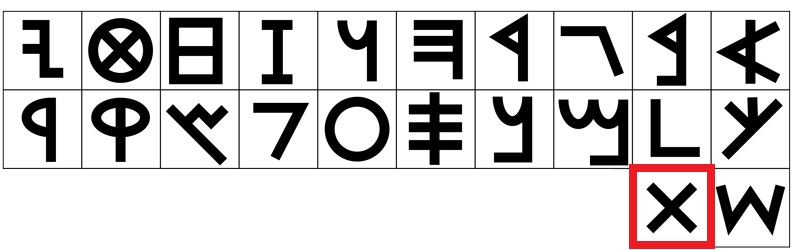
--Wikipedia, [_Paleo-Hebrew Alphabet_](https://en.wikipedia.org/wiki/Paleo-Hebrew_alphabet)
{:he}
><em>תאות אדם חסדו</em>: החסד שאדם עושה היא תתו אותו ותתאר את תארו, שצורתו הפנימית ניכר ע"י החסד שיתגלה ממנו.
--מלבי״ם, משלי יט:כב
But I would translate
תאות אדם חסדו literally: a person's desire, the thing they truly lust after, is their חסד. Or it could be translated as "a person's desire is His (i.e. ה׳'s) חסד". Deep down, our תאווה, usually referring to the self-interest that we call the יצר הרע, is really for חסד and is other-directed. We quoted the Sfas Emes last time:
{:he}
>אך על כל פנים מובן כי מדרך הטבע להיות נמשך כל דבר אחר הש"י וציויו. אם כן וודאי לא נגרע האדם מזה רק שניתן לו בחירה יצ"ט ויצה"ר. ואם לא יגבור הרע על הטוב ממילא מצד עצמו ימשך אחר הטוב ככל הנבראים. ומזה מובן (תהלים סב:יג) וּלְךָ אֲדֹנָ־י חָסֶד; כִּי אַתָּה תְשַׁלֵּם לְאִישׁ כְּמַעֲשֵׂהוּ.
אך גם מי שעושה טוב הוא מהש"י ורק שהוא נקי ולא נמשך אחר היצה"ר ממילא נתעורר הפנימיות שנתן הש"י באדם לטוב כנ"ל. וא"כ הכל רק חסד הש"י.
--שפת אמת, נצבים תרל״א
That's why טוב רש מאיש כזב. The רש who can overcome their urge for כזב can be their authentic self.
>[Y]our true authentic self is who you are at your deepest core. It is about being true to yourself through your thoughts, words, and actions...
--Jennifer Foust, [_What It Means to Be Your Authentic Self_](https://thecenterforgrowth.com/tips/what-it-means-to-be-your-authentic-self)
In order to accept that חסד is our natural state, I have to say עצת ה׳ היא תקום.‎ ה׳ is king of the universe; ה׳ controls the world. I don't have to lie and cheat to survive. We quoted this idea last time:
{:he}
>מלוה ה׳ חונן דל; וגמלו ישלם לו׃
--משלי יט:יז
>You know you are being authentic when:
>
- Your job gives you a sense of purpose or fulfillment, rather than feeling drained and lacking energy .
- You believe your relationships are based off of honesty, and genuine respect for who we truly are.
- When out in social situations, you feel as though you are presenting the real you, rather than someone you’re not.
- You’re unsure of how others will respond to you, but regardless you are proud of who are and who you are being.
--Jennifer Foust, [_What It Means to Be Your Authentic Self_](https://thecenterforgrowth.com/tips/what-it-means-to-be-your-authentic-self)
Shlomo adds another point: you will sleep well: יראת ה׳ לחיים; ושבע ילין בל יפקד רע. Accepting ה׳ as מלך על כל העולם means you don't have to solve everything, manage everything. Do your part--which is the חסד--and let ה׳ take care of the rest.
{:he}
>בשלום יחדו אשכבה ואישן; כי אתה ה׳ לבדד; לבטח תושיבני׃
--תהילים ד:ט
{:he}
><em>בשלום יחדו אשכבה ואישן</em>: אם היו ישראל בשלום יחדו עמי, הייתי שוכב וישן בטח ולא הייתי ירא מכל צר ואויב.
--רש״י, תהילים ד:ט
The first part of the pasuk, יראת ה׳ לחיים, is about life, the rewards in this world for obeying ה׳.
{:he}
><b>יג</b> והיה אם שמע תשמעו אל מצותי אשר אנכי מצוה אתכם היום לאהבה את ה׳ אלקיכם ולעבדו בכל לבבכם ובכל נפשכם׃ <b>יד</b> ונתתי מטר ארצכם בעתו יורה ומלקוש; ואספת דגנך ותירשך ויצהרך׃ <b>טו</b> ונתתי עשב בשדך לבהמתך; ואכלת ושבעת׃
--דברים פרק יא
Sleeping well, שבע ילין, is something different. It reflects a mental state of calm, a lack of stress. *That* is קבלת עול מלכות שמים, that ה׳ will take care of everything.
{:he .lines}
>השלך על ה׳ יהבך והוא יכלכלך;
לא יתן לעולם מוט לצדיק׃
--תהילים נה:כג
{:.lines}
>Thou hast no figures, nor no fantasies,
Which busy care draws in the brains of men;
Therefore thou sleep'st so sound.
--Brutus to Lucius, in Shakespeare, _Julius Caesar_, Act 2, Scene 1
That is
difference between the רש and the איש כזב. The רש הולך בתמו can sleep well on ראש השנה even though it is יום הדין. Which is ironic, because you're not supposed to sleep on ראש השנה.
{:he}
> הגה:...וגם נוהגים שלא לישן ביום ראש השנה ומנהג נכון הוא.
--שולחן ערוך, אורח חיים תקפג:ב
{:he}
><em>שלא לישן וכו׳</em>: משום דאיתא בירושלמי מאן דדמיך בריש שתא דמיך מזליה.
>
והאר"י ז"ל אמר שאחר חצות מותר לישן שכבר נתעורר המלאך ע"י תפלות ותקיעות. וב"ח כתב שהר"מ היה ישן בר"ה.
>
ויושב בטל כישן דמי ועיין בח"א שכתב דאחר האכילה יקבע עצמו ללימוד ואם ראשו כבד עליו יישן מעט אם א"א לו בלא זה...
--משנה ברורה, אורח חיים תקפג:ב
What does the Yerushalmi means by דמיך מזליה, “his /mazal/ will sleep”? It's hard to figure out, because we don't have the context for that Yerushalmi.
{:he}
>--מהר"ץ חיות, מגילה יב,ב
ולא מצאתי שום רמז בירושלמי וגם במדרש ובילקוט לזה וגם בתרגום לא מצאתי רמז לזה...עוד הרבה מאמרים מהירושלמי שהיו נוכח עיני הראשונים ונאבד מאתני ולדוגמא אציג איזה מהם...רמ"א או"ח סי' תקפ"ג הביא בשם הירושלמי האי מאן דדמיך בריש שתא דמיך מזליה לא נמצא אצלנו.
מזל here doesn't mean "luck" or "fortune", but "the heavenly agents that are testifying in your case", today on ראש השנה.
{:he .lines}
>רבי אליעזר בן יעקב אומר:
העושה מצוה אחת, קונה לו פרקליט אחד.
והעובר עבירה אחת, קונה לו קטיגור אחד.
--משנה אבות ד:יא
{:he .lines}
>בֶּן אָדָם
מַה לְּךָ נִרְדָּם
קוּם קְרָא בְּתַחֲנוּנִים
שְׁפֹךְ שִׂיחָה
דְּרֹשׁ סְלִיחָה
מֵאֲדוֹן הָאֲדוֹנִים
--[פיוט בן אדם מה לך נרדם](https://he.wikisource.org/wiki/%D7%91%D7%9F_%D7%90%D7%93%D7%9D_%D7%9E%D7%94_%D7%9C%D7%9A_%D7%A0%D7%A8%D7%93%D7%9D)
>Staying awake on Rosh Hashana isn't a violation of /kabbalat ol malchut/--it's the *working form* of the same submission that shows up as sleep on an ordinary night. On Rosh Hashana you're awake *in* the din, alert to the King as Judge; on an ordinary night, having already accepted the king, you can finally sleep *through* whatever comes. One is acceptance-in-the-moment-of judgement; the other is the fruit of that acceptance once the judgement season recedes.
--[Yochai large language model, 2026-09-02](https://www.yochai.wiki/chat/mishlei-rosh-hashanah-kingship-q4lk)
שנה טובה,‎ כתיבה וחתימה טובה, and sleep tight.