פרק טו continues in a religious vein, but returns to a theme we have seen before: think before you speak. Don't just blurt out the first thing that runs through your brain. {:he} >לב צדיק יהגה לענות; ופי רשעים יביע רעות׃ --משלי טו:כח יביע has the sense of continually express: {:he .lines} ><b>ג</b> יום ליום יביע אמר; ולילה ללילה יחוה דעת׃ <b>ד</b> אין אמר ואין דברים; בלי נשמע קולם׃ --תהילים פרק יט We will see this use later in משלי: {:he} >מים עמקים דברי פי איש; נחל נֹבֵעַ מקור חכמה׃ --משלי יח:ד which has a positive sense of "an ever-flowing sources of wisdom", but that has to start with מים עמקים, deep waters. Not that the bottom of the water is far away, but that the water itself is far away and takes effort to reach. {:he} >האיש אשר הוא נובע מקור חכמה כנחל, דברי פיו כמים עמוקים אשר לא יגיע האדם לשתות מהם עד אשר יטרח וידלה אותם. כן לא יבין איש דברי החכם הנבון ולא יעמוד על דעתו זולת בטורח ומערכי לב להבין בהם. --פירוש רבינו יונה, משלי כ:ה Your *mind* should be יביע, ever flowing. Your mouth should remain shut until needed. Logorrhea is bad. >logorrhea > pathologically incoherent, repetitious speech --Dictionary.com, [_logorrhea_](https://www.dictionary.com/browse/logorrhea) And that goes with the imperative of maintaining control that we talked about before. {:.lines} >Not every thought should be said. Not every speech should be written down. And not all writings are fit for print. --[Rabbi Menachem Mendel of Kotzk](https://www.chabad.org/library/article_cdo/aid/4287676/jewish/48-Wise-and-Deep-Sayings-of-Rabbi-Menachem-Mendel-of-Kotzk.htm) >Everything you say should be true, but not everything true should be said. --[Voltaire](https://www.goodreads.com/quotes/10006288-everything-you-say-should-be-true-but-not-everything-true) This is one of the big problems with social media and Twitter specifically. Normally when we talk in public, we think about what we say, at least if we are saying it in front of a crowd of strangers. Twitter *feels* like talking to ourselves, so we just broadcast our thoughts to the public. Social media is like telepathy, and that is terrible. Nobody should know the random firings of my neurons, but somehow we've created a world in which everyone knows everyone else's thoughts. 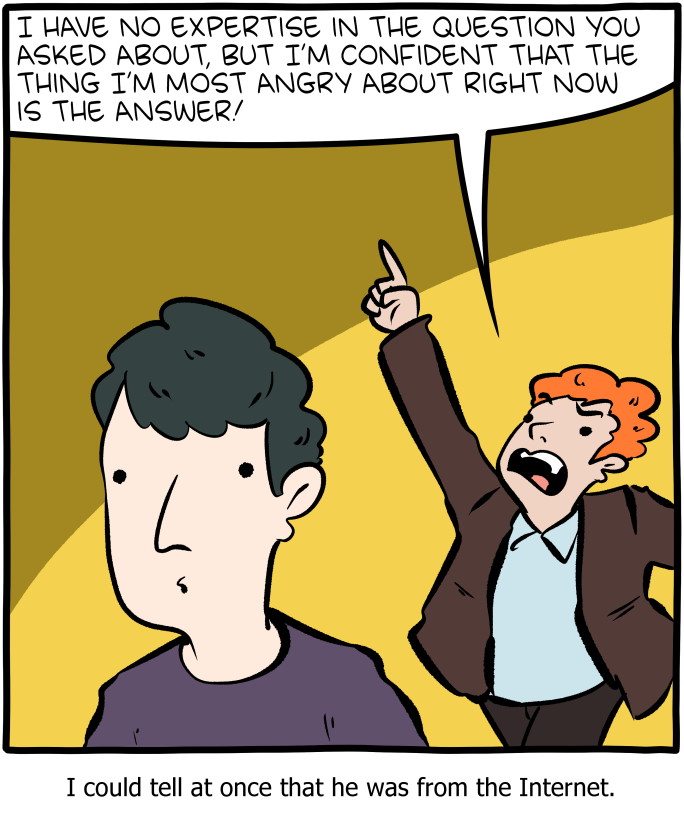 --SMBC, [_Questions_](https://www.smbc-comics.com/comic/questions-2) ---- Thinking before speaking also applies to our relationship with ה׳. Be careful what you wish for. {:he} > רחוק ה׳ מרשעים; ותפלת צדיקים ישמע׃ --משלי טו:כט This is a similar sentiment to David's: {:he .lines} ><b>יח</b> קרוב ה׳ לכל קראיו לכל אשר יקראהו באמת׃ <b>יט</b> רצון יראיו יעשה; ואת שועתם ישמע ויושיעם׃ --תהילים פרק קמה And this is a statement about ה׳'s providence. "Closeness" isn't about physical distance but about focus. A צדיק is one who is focused on ה׳, and so ה׳ pays attention to them. {:he} ><em>רחוק ה' מרשעים ותפלת צדיקים ישמע</em>: ההשגחה נמשכת אחרי מעשה האדם, המתרחק מה' הוא רחוק ממנו, והמתקרב אליו הוא קרוב לו, עד שה' קרוב לצדיקים ושומע תפלתם, כמ"ש קָרוֹב ה׳ לְכׇל קֹרְאָיו, ולא תשאל שא"כ מתפעל ומשתנה לפי התפלה, כי במה שהאדם מתקרב אליו כן הוא קרוב לו ואין בו שינוי, והרשעים הם עצמם מתרחקים מה'. --מלבי"ם, משלי טו:כט Part of what that closeness means is that ה׳ pays attention not just to the *content* of your prayers but also to the *consequence* of your prayers. We quoted the Baal Shem Tov in <//Easy Come, Easy Go>: {:he} >מהבעש"ט פירש רְצוֹן יְרֵאָיו יַעֲשֶׂה וְאֶת שַׁוְעָתָם יִשְׁמַע וְיוֹשִׁיעֵם דקאמר: כבר עשה רצון יראיו, מה צריך עוד לשמוע שועתם להושיעם? ועכל פנים איפכא הוי ליה למימר, ששומע שועתם ורצון יריאיו יעשה. > וביאר כי מצינו מדתו יתברך ששומע לכל הקוראים אותו הן לטובה או לרעה ח"ו...וכי תאמר, אם כן מה הפרש יש בין צדיק לרשע. וביאר כי יש הפרש גדול ביניהם כי הגנב נשמע תפלתו שיוכל לגנוב ואח"כ שנתפס על גניבתו חוזר וקורא לו יתברך שוב לא נענה מאחר שבחר בזה. משא"כ הצדיק המתפלל על איזה דבר גם שיודע ה' שאין זה לטובתו מכל מקום ה' עושה מבוקשו וזה שכתב רְצוֹן יְרֵאָיו יַעֲשֶׂה ואח"כ כשרואה שאין זה לטובה חוזר וקורא אל ה' ואז ברחמיו יתברך שַׁוְעָתָם יִשְׁמַע וְיוֹשִׁיעֵם מכל מקום. --כתר שם טוב א:קטו In ברכת החודש we make the same point: {:he} >חַיִּים שֶׁיִּמָלְאוּ מִשְׁאֲלות לִבֵּנוּ *לְטובָה*. --ברכת החודש There is another side of this: we talk about השגחה פרטית a lot, but Rambam says it's not universal: > The Rambam emphasizes that the degree of /hashgacha peratit/ that one experiences is variable over individuals. Those who are closer to G-d, i.e., the pious intellectuals, will receive more guidance and protection than those who are far from Him. There will also be variation for a given individual over the course of his life--the degree to which one is close to G-d in participating in the divine intellect will be expressed in the degree of protection one receives... > The further one is from G-d, the more will one be subject to chance--to things that just happen. This is consistent with the possibility of an evildoer, or a total ignoramus for that matter, living a happy life. Such a person may just be lucky--the things that just happen to him or her turned out to be good things. For the Rambam, the ultimate punishment is always just to be out of G-d's influence--to be just another piece of the physical world. --Rav Joshua Amaru, [_Hashgacha Pratit according to the Rambam_](https://www.etzion.org.il/en/philosophy/issues-jewish-thought/issues-mussar-and-faith/hashgacha-pratit-according-rambam) ---- And we emphasize speech over other actions because it is what creates meaning and meaningfulness. {:he .lines} ><b>ל</b> מאור עינים ישמח לב; שמועה טובה תדשן עצם׃ <b>לא</b> אזן שמעת תוכחת חיים; בקרב חכמים תלין׃ --משלי פרק טו Rabbeinu Yonah notes the difference between מאור עינים and שמועה טובה: an enlightening sight brings joy, which is more ephemeral than the physical benefit (תדשן עצם, fortifies the bones) of good news that is heard. {:he} >יתרון יש לשמועה טובה כי מלבד שתשמח הלב השומע תדשן העצמות. --פירוש רבינו יונה, משלי טו:ל Sight in Jewish philosophy is less valuable. {:he} >סימא את עינו--נותן לו דמי עינו...חירשו--נותן לו דמי כולו. --בבא קמא פה,ב {:he} ><em>חרשו נותן לו דמי כולו</em>: כלומר שאין ראוי לכלום וכמת הוא חשוב. --רשב"א, בבא קמא פה,ב The reason is that that speech is how we connect to each other and to הקב״ה. >The G-d of Israel, G-d at the heart of reality, cannot be seen. Hence the severity of the prohibition against making images... > Judaism's answer is that G-d is found, first and foremost, not in the blinding light of the sun, nor in the majesty of mountains. He is not in the almost infinitely vast spaces of the universe, with its hundreds of billions of galaxies, each with hundreds of billions of stars...If this is where you seek G-d, says Judaism, you are looking in the wrong place. Indeed, the mistake you are making consists in the very fact that you are looking at all. > G-d is to be found not by looking but by listening. He lives in words--the words He spoke to the patriarchs and matriarchs, prophets and priests; ultimately in the words of the Torah itself--the words though which we are to interpret all other words... > Language does more than allow us to make plans. It allows us to communicate. Words create and solve one problem in particular. They create the problem of loneliness...Animals are conscious, but only human beings are self-conscious. Animals may be alone; only human beings feel lonely ("It is not good for man to be alone"). That is because only human beings can articulate the difference between "I" and "you" and know the abyss that lies between us. > But language solves the problem it creates. Because we can speak, we can communicate. Only I can feel my pain. You cannot experience it nor can I experience yours. But we can speak, converse, convey what we feel to one another. We can ask for help; we can respond to other people's cry for help. We can share our hopes and fears. We can form moral bonds by sharing promises. The bridge across the abyss between self and other is constructed out of language. Our loneliness is redeemed by words. --Rabbi Jonathan Sacks, [_Seeing and Hearing_](https://rabbisacks.org/covenant-conversation/reeh/seeing-and-hearing/) And so אזן שמעת...בקרב חכמים תלין. Stop talking; start listening. ---- Specifically, Shlomo tells us אזן שמעת תוכחת חיים. You need to listen to תוכחה, rebuke, to have חיים. You need to learn and *study* Mussar. {:he .lines} ><b>לב</b> פורע מוסר מואס נפשו; ושומע תוכחת קונה לב׃ <b>לג</b> יראת ה׳ מוסר חכמה; ולפני כבוד ענוה׃ --משלי פרק טו Rav Wolbe takes this pasuk, פורע מוסר מואס נפשו; ושומע תוכחת קונה לב, as the introduction to his chapter on מוסר. {:he} >(משלי כה:ג) שָׁמַיִם לָרוּם וָאָרֶץ לָעֹמֶק וְלֵב מְלָכִים אֵין חֵקֶר. עמוקה מאד היא הבריאה. עמוקה מאד היא ההיסטוריא, הנקבעת ב”לב מלכים“. אבל יכולים להיות בעולם בפשטות; דורכים על הקרקע מבלי לחשוב על הטמון בתחתיות ארץ, מסתכלים בשמים רק כדי לדעת אם לקחת את המטריה--ברוממות השמים אינם מרגישים. רואים בעתון מה אמר נשיא או שר ומה קרה בעם קרוב או רחוק מבלי לחשוב בעומק ההשפעה הפועלת בהיסטוריא. --הרב שלמה וולבה, עלי שור, חלק שני, פתיחה לשער המוסר 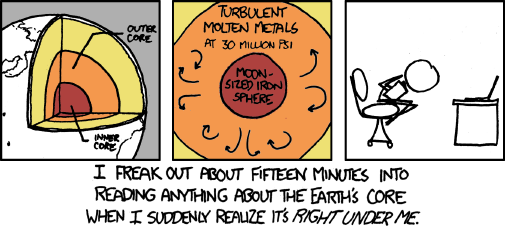 --xkcd, [_Core_](https://xkcd.com/913/) {:he} >גם בתורה ומצוות אפשר לחיות בפשטות: לובשים ציצית, מניחים תפילין, שומרים שבת, יוצאים ידי חובת תפילה מבלי להרגיש כלל בעומק המצוות; מאמינים ”אמונה פשוטה“ בלי כל התבוננות...יכולים גם ללמוד גמרא ”בעיון“, לעבור על גפ״ת, להסתכל בכמה ראשונים ואחרונים...והרי ”למדו בעיון“ אך בעומק הסוגיא לא נגעו כלל! וכאמור: גם העמקן האמיתי יכול לחיות בחייו הפרטים כאחד הפשוטים. > ובאמת: למה צריכים לנגוע דווקא בעמוקות, והלא אפשר להיות יהודי טוב ולחיות בפשטות, וגם לעשות מעשים טובים בפשטות? --הרב שלמה וולבה, עלי שור, חלק שני, פתיחה לשער המוסר There is value to living a life of אמונה פשוטה. The universe and the Torah are infinite; if we had to understand *everything* we would starve to death. But we can't just live with פשטות, without thinking about *why* we do the things we do. Shlomo in the introduction said one of his goals was: {:he} >לתת לפתאים ערמה; לנער דעת ומזמה׃ --משלי א:ד {:he} >הן יכול אדם להתעלם מעומק הענינים ולהיות יהודי טוב, אבל *חידוש והתחדשות* אין בחיים כאלה. כל יום דומה לחברו, הכל שיגרה. כל תגלית נעשתה רק מתוך ירידה לעומק. כל חידוש אמיתי בתורה נוצר רק על ידי ירידה לעומקה. ההתחדשות באדם עצמו באה רק עם העמקה בעצמו. כי רק בעומק נוגעים בנקודות-אמת. > ודבר אחד נבצר *לגמרי* מהאדם החי חיים פשוטים: יראת שמים. עליה נאמר (משלי ב:ד-ה): אִם תְּבַקְשֶׁנָּה כַכָּסֶף וְכַמַּטְמוֹנִים תַּחְפְּשֶׂנָּה, אָז תָּבִין יִרְאַת ה׳ וְדַעַת אֱלֹקִים תִּמְצָא . בלי חיפוש והעמקה אפילו לא תדע מהי יראה... --הרב שלמה וולבה, עלי שור, חלק שני, פתיחה לשער המוסר Shlomo ends his introduction with that point: {:he} >יראת ה׳ ראשית דעת; חכמה ומוסר אוילים בזו׃ --משלי א:ח יראת ה׳ encompasses both awe of הקב״ה (with the respect for His laws that it entails) and a concern for other human beings and the צלם אלוקים within them (I just got Levinas's _Ethics and Infinity_ which is all about that idea). But those relationships are infintely deep (hence Levinas's title) and so we can't live our lives in פשטות and expect to be ethical. That is אולת, foolishness in the sense of akrasia, knowing perhaps the rules of ethics but unable to implement them in real life. {:he} >זהו ענין המוסר לחייות חיי עומק. והנה יש מרחק רב בין *ידיעות עמוקות* ובין *חיים עמוקים*. הן לימוד המוסר והן העבודה המוסרית נוסדו על חכמה עמוקה, כפי שיבואר בע״ה. שניהם פותחים מימד חדש בפנימיות האדם, אשר מי שאינו עוסק בהם בשום אופן אינו יכול לדעת מהם בדור הזה. ידענו גם ידענו, כי עד היום לא נידם קול ענות חלושה הזאת (משלי יט:כו-כח) חֲדַל בְּנִי לִשְׁמֹעַ מוּסָר לִשְׁגוֹת מֵאִמְרֵי־דָעַת--עֵד בְּלִיַּעַל יָלִיץ...אולם גם זאת ידענו כי כל פורע מוסר משלם בעד זה, עד חורבן עצמו. כי פּוֹרֵעַ מוּסָר מוֹאֵס נַפְשׁוֹ. אולם גם זאת ידענו כי אין עסוק המוסר הוא תרופת פלאים אשר העוסק בו מובטח להצלחה...לא קלה היא עבודת האדם. אבל עצה אחרת מלבד עסוק המוסר--אין, וישר הולך יצליח בעה"י. --הרב שלמה וולבה, עלי שור, חלק שני, פתיחה לשער המוסר We have completed half of ספר משלי (at least we have completed volume 1 of the Artscroll 2-volume set). Our work has only just begun. ישר הולך יצליח בעה"י.