This week's parsha discusses קרבנות in great detail.
{:he}
><b>א</b> ואם זבח שלמים קרבנו אם מן הבקר הוא מקריב אם זכר אם נקבה תמים יקריבנו לפני ה׳׃ <b>ב</b> וסמך ידו על ראש קרבנו ושחטו פתח אהל מועד; וזרקו בני אהרן הכהנים את הדם על המזבח סביב׃ <b>ג</b> והקריב מזבח השלמים אשה לה׳ את החלב המכסה את הקרב ואת כל החלב אשר על הקרב׃ <b>ד</b> ואת שתי הכלית ואת החלב אשר עלהן אשר על הכסלים; ואת היתרת על הכבד על הכליות יסירנה׃ <b>ה</b> והקטירו אתו בני אהרן המזבחה על העלה אשר על העצים אשר על האש אשה ריח ניחח לה׳׃
--ויקרא פרק ג
The קרבן שלמים is mostly eaten by the owner and friends; only the חֵלֶב (which isn't kosher in any case) and the כליות and the יותרת על הכבד (elsewhere called the יותרת כבד) are burned on the מזבח. Now, I find anatomy fascinating, so you are stuck listening to me talk about cow parts. כליות we know are kidneys and כבד is the liver, but what is a יותרת?
{:he}
><em>היתרת</em>: הוא דפן המסך שקורין איברי"ש [{:fr}/ebres/, diaphragm], ובלשון ארמי חצרא דכבדא.
>
<em>על הכבד</em>: שיטל מן הכבד עמה מעט.
--רש׳י, ויקרא ג:ד
But חצרא (from חצר) means "lobe", and that's how the Rambam translates it.
{:he}
>...ויותרת הכבד והוא הקצה התחתון היוצא ממנו, כמו הבהן מן היד.
--רמב"ם הקדמה לסדר קודשים כ׳
{:he}
>חוקרים רבים זיהו את יותרת הכבד עם האונה המזונבת של הכבד (caudate lobe) הנפרדת מן הכבד בכבד של בהמות.
--ויקימקדש, [_יותרת הכבד_](https://wiki.temple.org.il/wt/%D7%99%D7%95%D7%AA%D7%A8%D7%AA_%D7%94%D7%9B%D7%91%D7%93#cite_note-%D7%94%D7%A2%D7%A8%D7%948-8)
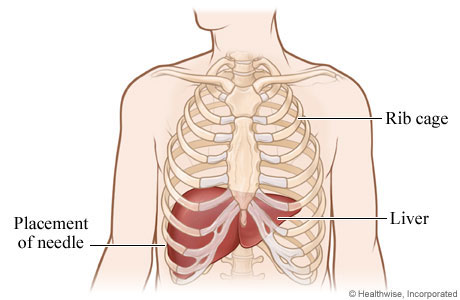
--Left: [Human liver anatomy, anterior view with diaphragm](https://www.earthslab.com/anatomy/liver/). Right: [Cow liver anatomy, inferior view with caudate lobe](https://anatomylearner.com/wp-content/uploads/2023/06/Cow-Liver-Anatomy-Visceral-Surface.jpg)
So when we bring a קרבן שלמים, we have to offer the kidneys and a chunk of the liver. Why kidneys and liver? They are important organs, definitely in the top ten, but I'm not sure they would be my top two for "coming closer to G-d". Again, they are not חֵלֶב; we could eat them. We certainly eat liver and if we're British, kidney.
>Mr Leopold Bloom ate with relish the inner organs of beasts and fowls...Most of all he liked grilled mutton kidneys which gave to his palate a fine tang of faintly scented urine.
--James Joyce, [_Ulysses_, Episode 4: Calypso](https://americanliterature.com/author/james-joyce/book/ulysses/episode-4-calypso)
The kidneys have a specific symbolism in תנ״ך:
{:he .lines}
>יגמר נא רע רשעים ותכונן צדיק;
ובחן לבות וכליות אלקים צדיק׃
--תהילים ז:י
{:he}
>אני ה׳ חקר לב בחן כליות; ולתת לאיש כדרכו כפרי מעלליו׃
--ירמיה יז:י
{:he}
>תנו רבנן: שתי כליות יש בו באדם, אחת יועצתו לטובה ואחת יועצתו לרעה. ומסתברא דטובה לימינו ורעה לשמאלו, דכתיב (קהלת י:ב): לֵב חָכָם לִימִינוֹ וְלֵב כְּסִיל לִשְׂמֹאלוֹ.
--ברכות סא,א
{:he}
>אמר רבי שמעון: אב לא למדו [לאברהם], ורב לא היה לו, ומהיכן למד את התורה? אלא זִמֵּן לו הקדוש ברוך הוא שתי כליותיו כמין שני רבנים, והיו נובעות ומלמדות אותו תורה וחכמה, הדא הוא דכתיב (תהלים טז:ז): אֲבָרֵךְ אֶת ה' אֲשֶׁר יְעָצָנִי אַף לֵילוֹת יִסְרוּנִי כִלְיוֹתָי.
--בראשית רבה סא:א
The kidneys are seen as the seat of cognition, what we now attribute to the brain. כליות represent *thinking* (as opposed to לב which represents feeling). I could not find a good reason why, but it is certainly consistent throughout תנ״ך.
>Rabbi Yekutiel Aryeh Kamelhar (1871-1937) claims that the Talmud is
allegorically referring to the spiritual counterpart of the kidneys, which are so named
because just as the actual kidneys provide “good counsel” by filtering urine, so too these
spiritual organs provide good counsel.
--Rabbi Natan Slifkin, [_The Question of the Kidneys’ Counsel_](https://www.hods.org/pdf/The%20Question%20of%20the%20Kidneys%20Counsel.pdf), p. 15
And the liver? Here we have to learn a little Greek.
>In Republic Book IV, Plato delineates the human soul [ψῡχή] as comprising three distinct parts: the logistikon [λογιστικόν](rational part), which seeks truth, wisdom, and calculation; the thumoeides [θυμοειδές] (spirited part), which provides motivation, courage, and adherence to honor; and the epithumetikon [ἐπιθυμητικόν] (appetitive part), which pursues bodily desires such as hunger, thirst, and sensual pleasures.
--Grokipedia, [Republic (Plato): Tripartite Soul and Hierarchical Society](https://grokipedia.com/page/Republic_(Plato)#tripartite-soul-and-hierarchical-society), accessed 2025-12-18, with my Greek
{:he}
>דע שנפש האדם אחת. ויש לה פעולות רבות חלוקות, יקראו קצת הפעולות ההם נפשות, ויחשב בעבור זה שיש לאדם נפשות רבות, כמו שחשבו הרופאים. עד ששם ראש הרופאים פתיחת ספרו שהנפשות שלושה: טבעית, וחיונית, ונפשית.
--הקדמת הרמב"ם למסכת אבות , פרק ראשון: בנפש האדם וכוחותיה
And the seat of this "appetitive soul", the aspect of our personality that experiences hunger, was felt to be the liver.
{:he}
> כי הנשמה היא החכמה, ומושבה במוח הראש…*והנפש בכבד*, והיא המתאוה לאכול, וככה כתוב (דברים יב:כ) כִּי תְאַוֶּה נַפְשְׁךָ; ותאות המשגל ממנה.
--אבן עזרא, שמות כג:כה
Unlike the kidney/rational connection, the liver connection was also part of Greek culture:
>"Now, why is the stomach surrounded by the liver? Is it in order that the liver may warm it and it may in turn warm the food? This is indeed the very reason why it is closely clasped by the lobes of the liver, as if by fingers." -- Galen, ca. 200 A.D.
>
Medical practitioners in antiquity identified the liver as one of the three principal organs of the body...It was the Roman anatomist Galen who made the liver the principal organ of the human body, arguing that it emerged first of all the organs in the formation of a fetus. "The liver is the source of the veins and the principal instrument of sanguification," he observed in _On the Usefulness of the Parts of the Body_. For Galen, it was the liver rather than the heart where blood was most actively formed; it was a warm, moist organ. [T]he liver was the center of the circulation of material substances in the body.
--Paula Findlen, [_A History of the Liver, Spleen, and Gallbladder_](https://web.stanford.edu/class/history13/earlysciencelab/body/liverpages/livergallbladderspleen.html)
{:style="width:45%;"}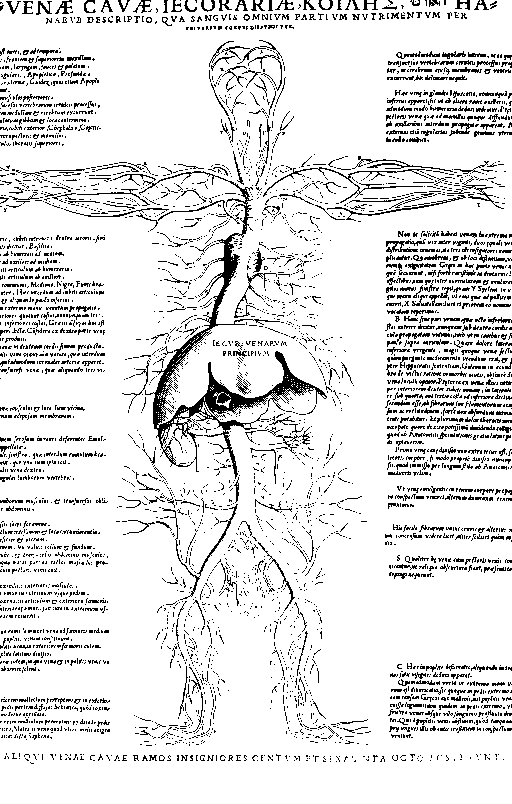
--[Renaissance diagram of the anatomy of the liver with blood vessels](https://web.stanford.edu/class/history13/earlysciencelab/body/liverpages/largeliver.gif)
So when we offer the liver and kidneys, we are symbolically offering ourselves as thinking beings and as hungry animals.
{:he}
>...וישרוף באש *הקרב והכליות שהם כלי המחשבה והתאוה*...כדי שיחשוב אדם בעשותו כל אלה כי חטא לאלקיו בגופו ובנפשו, וראוי לו שישפך דמו וישרף גופו לולא חסד הבורא שלקח ממנו תמורה וכפר הקרבן הזה שיהא דמו תחת דמו, נפש תחת נפש, וראשי אברי הקרבן כנגד ראשי אבריו.
--רמב״ן, ויקרא א:ט
The קרבן שלמים is a way of enjoying a huge amount of meat (a whole cow!) with a huge crowd of people (it all has to be finished in two days). The mishna describes three kinds of יצר הרע:
{:he}
>רבי אלעזר הקפר אומר: הקנאה והתאוה והכבוד, מוציאין את האדם מן העולם.
--משנה אבות ד:כא
There isn't much danger of קנאה when you are the host of the קרבן שלמים (that's for everyone else), but there is a real danger of seeking כבוד, which Maharal says is a function of our cognitive selves. It is because we can think about how others think about us, that we are concerned with status. And the danger of תאוה is obvious.
{:he}
>וה*כבוד* הוא לכח השכלי, אשר כח זה השכלי הוא מבקש הכבוד...וכדכתיב (משלי ג:לה) כָּבוֹד חֲכָמִים יִנְחָלוּ...ועוד כתיב (ויקרא יט:לב) מִפְּנֵי שֵׂיבָה תָּקוּם וְהָדַרְתָּ פְּנֵי זָקֵן, (קידושין לב,ב) ואין זקן אלא זה שקנה חכמה...וכאשר הוא יוצא מן השעור ברדיפת הכבוד יותר מן הראוי, הרי מגיע לו חסרון והעדר מצד הכח הזה.
>
כח טבעי, הוא הכח שמקבל ההזנה שהאדם ניזון...ומגדל את הגוף באורך וברוחב כאשר הוא. ומכח זה בא ה*תאוה*...ומשכן כח הזה הוא בכבד.
--דרך חיים ד:כא
So the קרבן שלמים is set up to remind us that yes, you can enjoy your Prime Kiddush (sponsors always welcome), with cholent *and* kugel, but remember: it's not about gorging on food, and it's not about showing off to your friends. Put the liver and the kidneys on the מזבח. It's about acknowledging and staying dedicated to הקב״ה.